
The Investor Diary Entry #96: December 17, 2025
Learning Forex trading online is a smart way to tap into financial markets, and it’s open to everyone regardless of your current experience or background. Online courses have pretty much become the go-to way for beginners and seasoned traders to step up their skills, get advice from pros, and sidestep the most common mistakes that can drain your account. In this article, I am sharing the biggest benefits you’ll get from jumping into Forex trading through digital courses, with hands-on steps and no-nonsense advice about what to expect.
TL;DR: Quick Snapshot—Why Online Forex Courses Matter
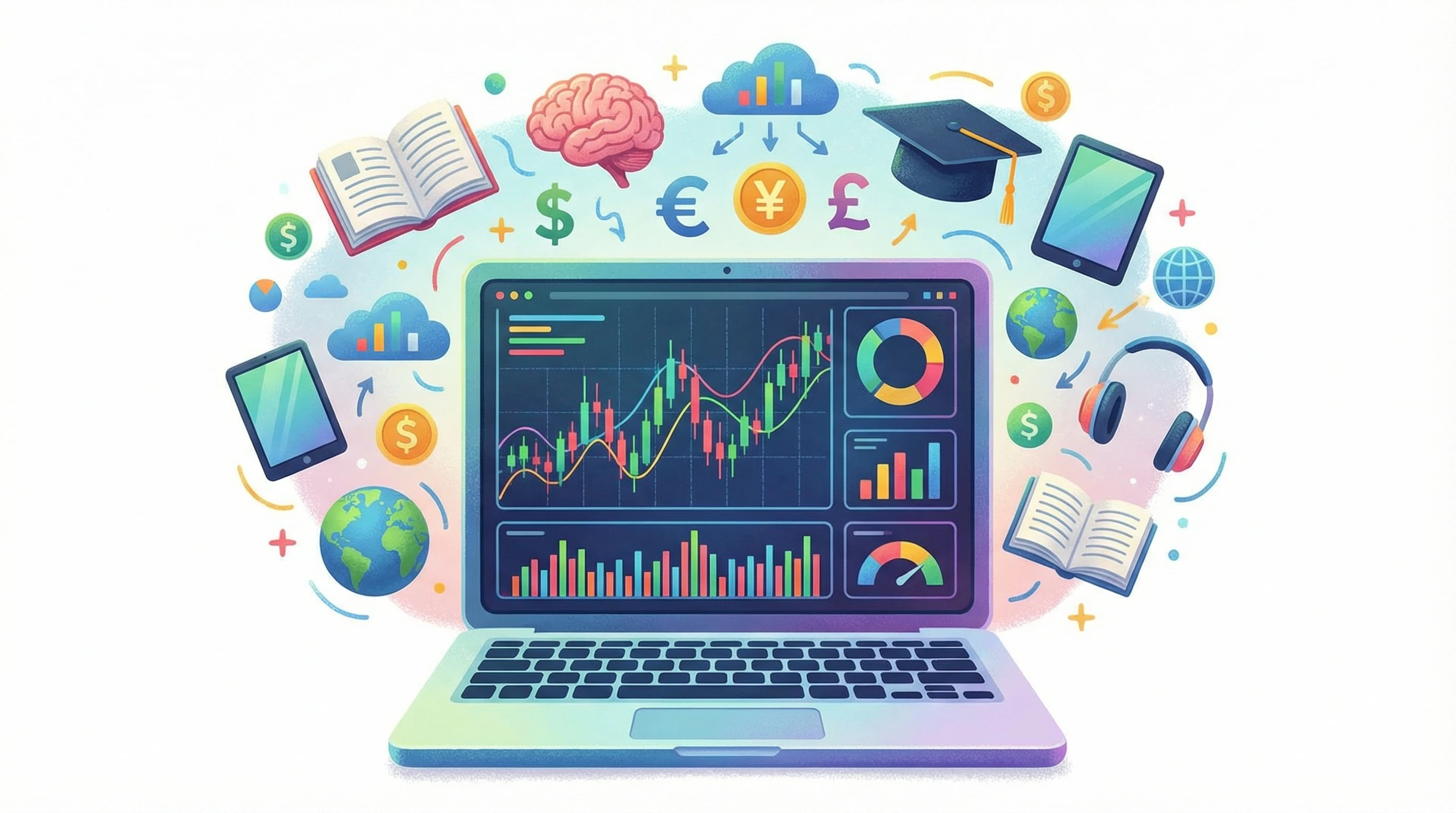
Online Forex trading courses can save you loads of time, money, and confusion. They let you learn at your own pace, build up important trading skills, and get access to resources that help you make smarter moves in the market. If you’re still deciding, the flexibility, updated knowledge, and supportive community make the online route a wise choice for most folks.
Why Learning Forex Trading Matters
Understanding Forex trading means more than just watching currency pairs or wishing for overnight wins; it’s about being in control of your financial future. Too many people jump into Forex without any formal education, and the results are mostly losses, not profits. Online courses that are structured and up to date can flip that script. They’re designed to explain not only which currencies are hot, but also why markets move and how you should react in the moment.
The ever-changing forex markets operate around the clock, five days a week. To keep up, it’s crucial to have direction from those who know the ropes. Solid courses present bite-sized lessons, letting you build real knowledge step by step. If you want a guide on how to find Forex trading courses online, there are some reliable articles out there that can show you what steps to follow.
Getting Started: What Makes Online Courses So Helpful?
What makes online Forex trading courses so practical is that anyone can join without special degrees or a big budget. With just a computer and internet connection, you can start at home, take breaks when needed, and replay tricky sections. Looking for advice on where to find Forex trading courses? There are handpicked sources to help you sort through the clutter and find what suits your goals.
Many courses come with:
- Video tutorials: Perfect for those who learn better by watching real trading as it happens.
- Downloadable guides: Useful for offline reading or quick look-ups during your trading sessions.
- Quizzes and exercises: Great for locking in key concepts and seeing how much you’ve absorbed.
- Discussion boards or chats: Let you ask questions, get feedback, and connect with fellow learners.
Step By Step: How Online Forex Courses Build Strong Trading Skills
Learning Forex online goes far beyond memorizing codes or following random trends; it’s about truly mastering the strategies and timing behind every trade. The step-by-step approach makes learning less scary and way more organized.
- Start with the basics: Grasp how the Forex market operates, what “pips,” “spreads,” and “leverage” mean, and how to read trading charts.
- Move into strategies and tools: Learn how to set up a trading game plan, manage your risk, and get to know the main trading platforms.
- Practice trading risk-free: Put your skills to the test with simulated trading accounts before risking real cash. This builds your confidence piece by piece.
- Apply skills to real trades: With a foundation in place, you’ll start taking real market actions—always with help from course instructors and feedback from others.
Courses often call out typical mistakes, too. It’s all too easy to let nerves throw off your plan or break trading rules when the heat is on. If you want extra pointers, check out this guide on Mistakes in Implementing My Forex Trading Plan.
Things To Keep In Mind Before Choosing A Forex Course
Choosing the right Forex trading course matters. Here’s what to think about before hitting “enroll”:
- Course quality: Not every course delivers the same knowledge or updates. Reading honest reviews and confirming your instructor is active in trading helps you find a better fit.
- Free vs. paid courses: Free classes are great to start, but can miss deeper concepts, while paid courses usually offer more robust content and personal help. There’s a solid rundown on Free Vs Paid Forex Online Courses that’ll help if you’re on the fence.
- Community and support: Easy ways to ask questions or get help when you’re stuck make the entire experience more rewarding.
- Flexibility: Make sure the course matches your preferred way to study. If you prefer reading over watching, avoid video-heavy programs.
Course Quality
High-quality courses are well-organized, up to date, and packed with real-world trading examples. Some even let you try before you commit through a free trial or money-back policy.
Free vs. Paid Options
Free Forex classes cover basics and help you get a taste of the market, but the most thorough guidance and advanced strategies usually come with a price tag. Often, paid options give you access to one-on-one mentors and exclusive resources. Weigh your goals and budget to see what fits.
Community Support
A strong Forex community is a lifeline, especially when starting out. Members in paid groups often jump in to help, and live Q&A or webinars make a difference in how much you learn and how fast you grow.
Flexibility and Self-Paced Learning
Online courses make it easy to learn when you have time. For folks who juggle work and family, being able to pause and pick up lessons as needed helps turn learning into a daily habit, even with busy schedules.
Real World Perks: How Online Forex Classes Beat Traditional Learning
Based on years of reviewing and participating in different programs, these are some standout perks of online Forex courses:
- Access from anywhere: No need to be in a big city or attend a live class. You can learn anytime, wherever you have internet.
- Constant updates: Digital content updates much faster than printed textbooks or static materials, so you’re always learning the latest info.
- Cost savings: Online courses are easier on your wallet than most university offerings and often provide free samples before you commit.
- Hands-on skills: Immediate practice through demo accounts and real examples, with step-by-step walkthroughs to get you trading faster.
- Tailored learning: Online program formats include a mix of visual, audio, and practical activities; this helps people grab new ideas more quickly and retain them longer.
FAQ: Common Questions About Learning Forex Trading through Online Courses
How long does it take to become a good Forex trader through online courses?
There’s no one answer. Some folks pick up the essentials within a few weeks, while others spend several months fine-tuning their approach. Consistent practice—and not cutting corners—is what really matters.
Can I really make money just using free courses?
You can get the foundation for free—like chart reading and basic market knowledge—but advanced skills and solid results usually come from investing in more detailed lessons. Many successful traders mix and match both types for best results.
I’m very busy. Are online Forex courses still useful?
Absolutely. They’re designed so you can jump in when you have a free moment, and most let you replay material, which helps if you’re learning in short bursts or during breaks.
What are the most common mistakes after taking a course?
Even trained traders sometimes ignore their plans or let feelings take control—biggest mistake! Revisiting checklists and advice from resources like Mistakes In Implementing My Forex Trading Plan keeps you disciplined.
Where should I start if all the course choices feel overwhelming?
Don’t stress! Start with basic free courses and YouTube knowledge. Then move gradually into highly rated courses and graduate upward as your confidence builds. Use sources such as trustpilot.com to check informatin and reviews regarding a particular online Forex trading course.
Final Thoughts
Pursuing Forex trading through online courses can completely change your game plan and how you look at the market. The right training helps you avoid unnecessary losses, save tons of time, and tap into global wisdom—all on your own schedule. With the right tools and a little grit, you can build real skills, boost your confidence, and maybe even reach your trading goals sooner than you hoped.
There are plenty of smart resources out there ready to support your Forex journey, so take that first step, learn at a pace that works for you, and watch your confidence and results grow as you stick with quality online Forex education.

The Investor
Wednesday 17 December 2025
About The Author
I started to look into individual stocks in January 2022. I created this diary initially for myself to track my investing progress, and second, as a place where I can share my ideas publicly, not only on stock investment, but on any venture that I start learning, such as Forex Trading, Blogging, or any other future venture that I might think of trying out.
By repeating things I learn to myself and trying to explain it to others, I help myself better understand what I am learning. Additionally, hoping that others will share their ideas and learn from each other, and lastly as an online business where some links that I share are affiliate links, and if anybody bought anything by clicking tihose links, I will get a commission based on that successful sale, which of course will not affect the price that you are buying the product or service at.
For more detailed information on my affiliate disclosure, please refer to the Full Affiliate Disclosure page.
This blog is also part of my blogging learning project. I’m using a platform to learn this part. If you are interested in it, it is called Wealthy Affiliate.
Furthermore, this site is in no way or form giving any financial or investing advice, nor is it encouraging or discouraging people to buy or sell any financial instrument. This is a personal diary in which I track my own progress and share it for informational, educational, and entertainment purposes.
I really enjoyed reading your article about the benefits of learning Forex trading through online courses. It was clear and informative, especially how you explained that online courses allow people to learn at their own pace, build valuable trading skills, and connect with supportive communities. I also liked how you emphasized the importance of structured lessons to help avoid common beginner mistakes and build confidence before trading with real money. How do you recommend beginners choose between free and paid courses to make sure they get the best value and avoid low‑quality content?
Hello Hanna, thank you very much and glad that you have found this diary entry useful.
As for your question: in the article there was hyperlink taking directly to the answer of how to choose between free and paid courses. I will share the article link here https://theinvestordiary.com/c…
In short though, I would say for a total beginner to check out the free resources online such as YouTube and maybe some reputable blogs to understand the terminology and the basics of Forex Trading. Once the person is ready to design a trading plan then a strucutred paid course would be a choice.
I am not against offline courses, on the contrary, personally, I prefer offline courses, but for the obvious advantages of an online course I am concentrating on this area
Really helpful overview of why online Forex courses have become the preferred learning path for so many traders. I like how you stress structure and discipline over quick wins, because that’s where most beginners stumble. The breakdown of course features, especially demo accounts and community support, makes it clear how online learning reduces costly trial and error. Your balanced take on free versus paid courses is useful too; starting free while knowing when to invest is realistic advice. The emphasis on flexibility is spot on for people juggling work or family, since consistency matters more than speed in trading. Overall, this post sets clear expectations and encourages learning with patience, planning, and risk awareness. It’s a solid reminder that education isn’t optional in Forex, it’s the foundation for long-term survival and growth as markets constantly evolve.
Hello Andrejs>>
Thank you very much for your comment. The point that I have been trying to stress on, in all the diary entries related to Forex Education, is that if we wnant to build a career in any descipline, the first step is education, but the fact that today there are industries which can easily enter, and there is a lot of hype around them, promoting that by next morning one will start earning money, this is misleading people that those industries are not worth the trouble of education.
Tomorrow, we will get into the age of being able to create systems of our own because of AI. The same thing will happen; people will jump in with both feet, thinking that the next morning they will start earning money without having to learn anything.
Thank you very much for your comment.
Hello The Investor!
This was a really clear and encouraging read — thank you! I’ve always been curious about forex trading but honestly felt overwhelmed by where to start, and your breakdown of the benefits of learning through online courses made the whole idea feel much more approachable. I especially liked how you pointed out that structured lessons, community support, and having a pace you control can make a big difference compared to just trying to learn bits and pieces on your own. I’m wondering — for someone who’s completely new, do you think it’s better to start with free courses just to build confidence before investing in a paid one? And have you noticed whether beginners tend to learn more effectively with video lessons, live sessions, or written content? This definitely gave me some good direction!
Angela M 🙂
Hello Angela, Thank you very much for your comment.
I agree with you, any new discipline feels overwhelming at the beginning. Yes, starting off with free tutorials, courses, books…etc is a way that I find relaxing and helps one choose better when finally deciding on a paid course.
Now regarding the educational channel.. I think this is an individual thing, and would differ from one person to another. It all depends on how we digest information as individuals.