

The Investor Diary Entry #95: December 13, 2025
Figuring out whether to start with a free or paid Forex online course can be a real headache, especially if you’re just getting your feet wet in currency trading. With a massive industry of educators out there and new platforms cropping up all the time, it’s easy to wind up stuck weighing your options forever. I’ve spent a fair amount of time jumping between free resources and investing in higher-priced paid courses, and I’ve learned a lot about what actually matters. If you’re hoping to find a course that fits your learning style, schedule, and goals, knowing the real differences between free and paid options is super important. Here, I’ll lay out what you can truly expect from both types, so you can feel confident about where to start learning.
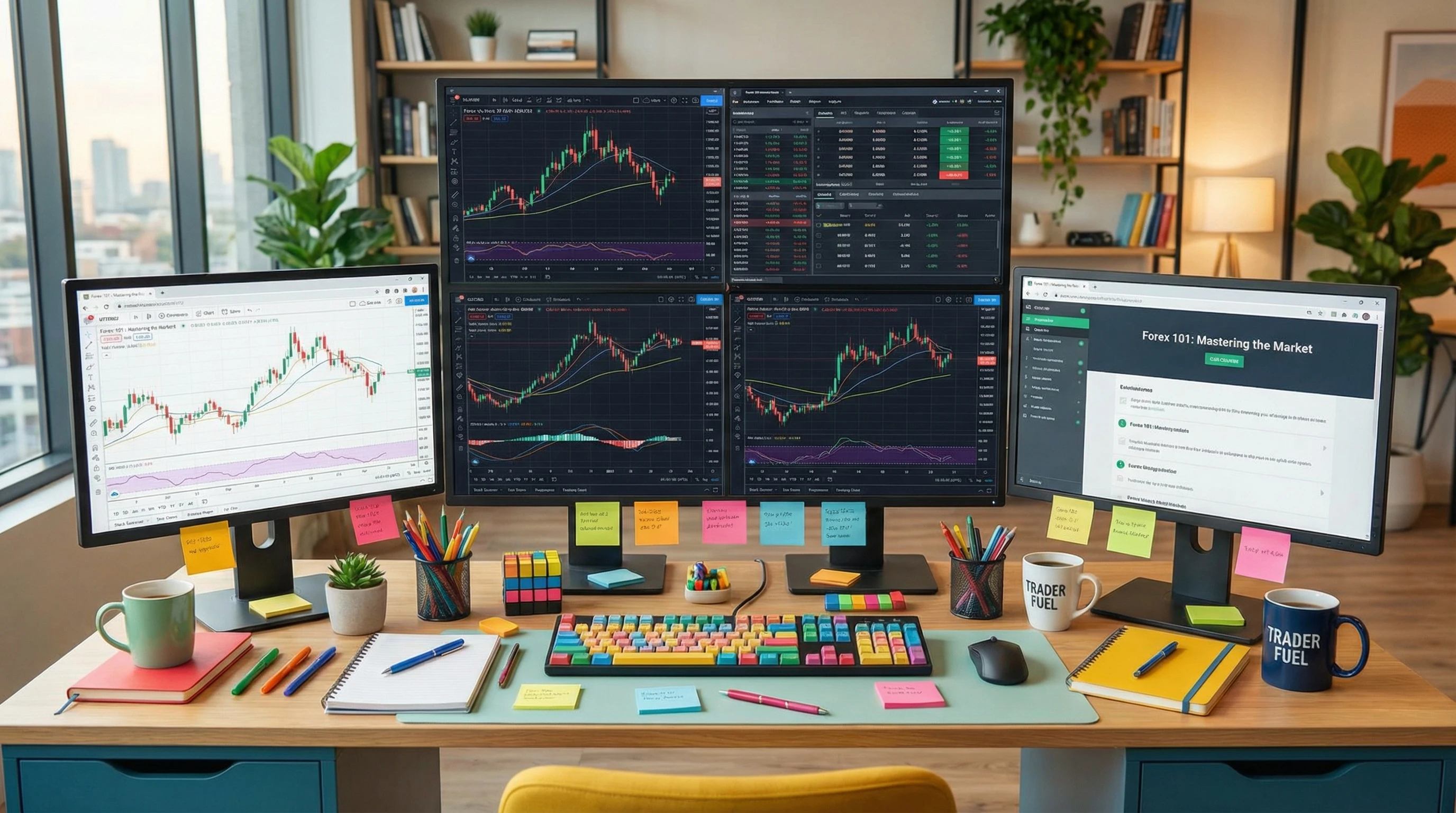
Understanding Free vs Paid Forex Online Courses
Free Forex courses are available basically everywhere, from YouTube channels to trading forums and blogs. Paid courses usually come from trading academies, private coaches, or established educational platforms. Both serve different needs, and the quality can vary a lot, so spotting what lines up with your learning needs can save you plenty of time and money.
People, including myself, often start with free content, mainly because it’s easy to access and doesn’t cost anything. Paid courses, however, generally promise deeper lessons, structured programs, and direct access to instructors or even trading communities. Neither approach is automatically better, but understanding your end goal helps a lot in picking the right learning path.
AD;LR
If you are just skimming: Free Forex courses are great for testing the waters, getting the basics, and saving on upfront costs. Paid courses often give you more step-by-step instruction, support, and advanced strategies. Pick free courses for general knowledge and paid options when you’re ready to treat trading as a serious skill or business.
What to Expect from Free Forex Online Courses
Free courses are everywhere online, and they come in many formats. A lot of educational content can be found directly on YouTube or through trading blogs and forums.
- Accessibility: You’ll often find free resources super easy to load up and start using right away, no registration required.
- Coverage: Most free content focuses on basics like what Forex is, how trading platforms work, an introduction to currency pairs, and simple trading strategies.
- Community Knowledge: Some of the most useful free course material comes from people who trade part-time and share real examples online or in community groups.
Sometimes these resources mention super detailed guides or communities, which is where you might find your first opportunity to join something more structured.
A great place to get started or compare free and paid offerings is this guide on How to Find Forex Trading Courses Online. It gives straightforward advice on what to look for in beginner materials, even if you’re just browsing free content.
What You Get with Paid Forex Online Courses
When you pay for a course, you’re not just buying information. You’re usually getting a clear lesson path, access to instructors, and often, a supportive trading community.
- Structured Learning: Paid courses typically have a step-by-step structure, starting with basics and layering in intermediate or advanced ideas.
- Mentorship or Live Support: It’s common to get access to a mentor, or at least regular webinars with professional traders ready to answer questions and offer feedback.
- Feedback and Accountability: A lot of paid courses offer some level of progress tracking, quizzes, live trading rooms, or even one-on-one coaching calls.
Choosing a paid course isn’t just about the lessons. It’s about support when you get stuck. This can really speed up your learning, especially if you’re aiming for a solid Forex trading plan and need some real strategies you can test out on live or demo accounts. Of course, in my point of view, never test anything on a live account.
Where to Find Reputable Forex Trading Courses

Not all courses are created equal. Finding both free and paid options that actually teach valuable skills takes some digging. People usually start on trading forums to see what resources other traders actually recommend. Review sites, Reddit, and even direct feedback from Facebook trading groups can help weed out the flashy but empty courses.
You can skip a lot of hassle by using resources like this simple guide on where to find Forex trading courses. This resource has a checklist and a case study of one of the Forex Educational Platforms.
How to Compare Free and Paid Courses: My Takeaways
- Cost: Pretty obvious. Free courses are costless upfront, while paid lessons might run from the price of a movie ticket to hundreds of dollars or more.
- Depth of Content: Free stuff often covers what Forex is, platform walkthroughs, and a few strategies. Paid courses go deeper into psychology, live analysis, risk management, backtesting, and system building.
- Personal Support: It’s really rare to get lesson feedback from free content. Paid courses might offer email, chat support, or even a mentorship Slack group.
- Quality Control: Free content can be hit or miss, even from the same creator. Paid courses usually have more polish, testing, and organization since people are investing money into them.
Think about your personal learning habits. If you’re motivated enough to dig through forums, piece together YouTube playlists, and test things out solo, free courses can be surprisingly helpful. If you want hand-holding or a group to ask questions, paid choices are usually more efficient.
Things to Watch Out for in Both Types of Courses
- Marketing Hype: Both free and paid courses sometimes promise overnight riches. Ignore anyone who claims trading is risk-free or always profitable. Sustainable Forex trading takes time and careful practice.
- Outdated Information: Check that the strategy or platform instructions are for 2025 (or whatever year you’re in). Outdated content can waste your time or steer you wrong, especially in a fast-moving market.
- Community Reputation: Look up reviews and check in with trading groups for unfiltered opinions before buying. Real feedback from other traders is more reliable than website testimonials.
Some courses also add minor fees for certifications or advanced modules, which is good to know in advance. Transparency about costs and ongoing value can help you make a smart choice without surprise expenses.
How To Choose The Right Course for You
I’ve found that personal goals make a huge difference in which type of learning style works best. If you simply want to figure out what Forex trading is, there’s no harm at all in sticking to reputable free guides and YouTube playlists. If your goal is to become profitable, skip months of trial and error by investing in a paid course that includes strong support and a learning community.
It also helps to check sample lessons or trial access to see if the teaching style matches your needs. No matter which direction you go, set realistic expectations and give yourself time to practice what you learn. For more on comparing content styles and what features actually matter in a course, here’s a solid resource on How To Choose The Best Forex Trading Course Online.
FAQ
Question: Are there free Forex courses that actually teach useful strategies?
Answer: Absolutely, many traders find their footing with free content. Look for creators with a strong track record and avoid videos or blogs that focus solely on selling expensive subscriptions.
Question: Is it possible to become a successful trader using only free resources?
Answer: Some traders do get pretty far without ever paying for education, but it usually requires plenty of self-discipline and the ability to spot and filter out bad advice. The main limitation is the lack of feedback or tailored support.
Question: How can I tell if a paid Forex course is actually worth it?
Answer: Look for reviews from real traders, a transparent curriculum, and some evidence of support after purchase. Course providers that actually demo their lessons on Youtube or live call previews tend to be more legit.
Question: What’s the best way to avoid scams?
Answer: Avoid any course or platform that promises guaranteed profits, encourages huge leverage, or uses high-pressure sales tactics. Aim for educators who teach risk, show live trades, and offer sample lessons before requiring payment.
Final Thoughts
Both free and paid Forex courses can teach you everything from market basics to advanced trading systems, but each has its strengths and weaknesses. For curiosity or basic practice, free resources are plenty. When you’re ready to go deeper or need direct guidance, a good paid course can seriously speed up your progress. Careful research helps buyers make informed decisions and keeps you safe from hype or overpriced promises. Wherever you land, the best course is one you’ll actually use and stick with until you reach your trading goals.

The Investor
Saturday 13 December 2025
About The Author
I started to look into individual stocks in January 2022. I created this diary initially for myself to track my investing progress, and second, as a place where I can share my ideas publicly, not only on stock investment, but on any venture that I start learning, such as Forex Trading, Blogging, or any other future venture that I might think of trying out.
By repeating things I learn to myself and trying to explain it to others, I help myself better understand what I am learning. Additionally, hoping that others will share their ideas and learn from each other, and lastly as an online business where some links that I share are affiliate links, and if anybody bought anything by clicking tihose links, I will get a commission based on that successful sale, which of course will not affect the price that you are buying the product or service at.
For more detailed information on my affiliate disclosure, please refer to the Full Affiliate Disclosure page.
This blog is also part of my blogging learning project. I’m using a platform to learn this part. If you are interested in it, it is called Wealthy Affiliate.
Furthermore, this site is in no way or form giving any financial or investing advice, nor is it encouraging or discouraging people to buy or sell any financial instrument. This is a personal diary in which I track my own progress and share it for informational, educational, and entertainment purposes.
I found the comparison between free and paid Forex courses to be incredibly insightful, especially as I’m looking to enhance my trading skills. I’ve tried using free resources in the past, and while they provide a solid foundation, I can really see the value in the structured learning and personalized mentorship that paid courses offer. This could help me move away from trial-and-error methods and develop a more consistent trading strategy.
What struck me most was the emphasis on risk management and avoiding hype—these are definitely areas where I want to improve as I progress on my trading journey. Do you think it would be effective to start with free content to grasp the basics, then switch to a paid course for more in-depth guidance? I feel like that could be a great way to level up my skills.
Hello Leica, Thank you very much for your comment.
I am an MBA graduate, but that was in the 90s. One of the prerequisites of a good and reputable MBA program is to prove that you have at least three years of work experience. This is very crucial. The only way that one can really benefit and add value to an MBA program is to have real work experience; otherwise, the student will only be a consumer of knowledge and not a contributor. In an MBA program, you cannot be only a consumer. Also, the only way to appreciate the knowledge is when one is able to apply the knowledge from the real life experience, and the only way to challenge what you are getting is by showcasing situations that you faced that contradicts with the theory presented.
I think the same applies to trading. Read books, consume free knowledge, apply this knowledge on a Demo account, and after all this application, you can: first, be able to differentiate a good paid training course from a bad one, you can differenciate between a course that suits you with one that doesn’t, and when you finally decide on one and get enrolled, you will be able to comprehend the information you are getting based on the real experience that you have gained while trying different things and knowing the different schools of thought in trading.
I hope this answer helps
Hello!
This was a really helpful comparison — thank you for breaking it down so clearly. I’ve looked at a few free forex courses before and ended up feeling more confused than when I started, so it was nice to see the pros and cons of both free and paid options side by side.
I appreciate that you didn’t just say “one is better,” but explained what each type is actually good for. It makes choosing a course feel less intimidating when you know what you’re actually getting.
Out of curiosity, if someone is completely new to forex and unsure where to begin, would you recommend starting with free courses just to get the basics, or is it better to invest in a paid course right away to avoid learning bad habits?
Thanks again — this gave me a clearer direction than I had before!
Angela M 🙂
Hello Angela,
In general, I think I am not investing in anything at the beginning. An exploration phase needs to happen, so that when I shop, I will have an idea of what I am shopping for.
And, yes, thank you for catching the idea that there is no one choice that is better than the other between Free and Paid options. Each has something to serve.
Thank you very much for your comment.
This is a really balanced and practical comparison, especially for beginners who feel overwhelmed by all the Forex education options out there. I like how you clearly explain that free courses aren’t “bad,” but serve a different purpose than paid ones. Your point about structure and support being the real value of paid courses is spot on, having guidance and accountability can save months of confusion. I also appreciate the reminders about marketing hype and outdated content, which trap a lot of new traders. The takeaway that goals should drive the decision really stands out; testing the waters with free resources first makes sense before committing money. Your FAQ section is especially helpful for addressing common fears around scams and guarantees. Overall, this post feels honest, realistic, and experience-based, not sales-driven. It’s a solid roadmap for anyone trying to learn Forex without wasting time or money.
Hello Andrejs, Thank you very much for pointing out some of the core areas that the article is trying to express. If I want to make a balance between free and paid courses in my path to learning Forex trading, the balance would definitely go to free resources.
Still, I did take my share of paid courses, and these have a great role in my experience, but because I have gained a lot of information from free resources and applying a lot of this knowledge on Demo accounts, a paid course became extremely beneficial because I enrolled to the course knowing exactly what kind of information and which type of skills I would like to enhance.