

The Investor Diary Entry #115: March 30, 2026

As I mentioned a couple of entries ago, I got a few messages asking about how a person would get to the basics of Forex if one is just getting to know the industry. As much as I think that a structured method, such as a course or book, is the best way to go about it, I thought that I would dedicate some of my diary entries to such topics.
In this diary entry, I will be introducing currency pairs and the most commonly used terminology that is used to group some of the currency pairs. I chose this topic because at the beginning I used to hear some of this terminology and not understand it. When I first started Forex, I learned my way through trial and error, and without proper Forex Education
Understanding currency pairs is at the core of understanding the Forex market. In my point of view, without this understanding, one cannot actually begin to understand any other Forex-related concept.
If you’re just starting out or brushing up on your strategy, getting a grip on major and minor currency pairs can really make a difference. Finding your way through the world of FX pairs gives you more control and confidence as you develop your trading approach. Here, I’ll break down what currency pairs are, how they’re traded, and what makes major and minor pairs unique so you can get a solid grip on the basics and learn where to focus your efforts.
TL;DR
Currency pairs are the backbone of Forex trading, divided into major and minor categories. Major pairs always include the US dollar and are known for high liquidity and tighter spreads. Minor pairs don’t involve the US dollar but still feature major global currencies. Understanding how these pairs work helps traders build a strong foundation for Forex trading, manage risk better, and choose trading strategies that fit their goals. This article covers types of currency pairs, what moves their prices, and practical tips for getting started in Forex markets.
Breaking Down Currency Pairs in Forex Trading
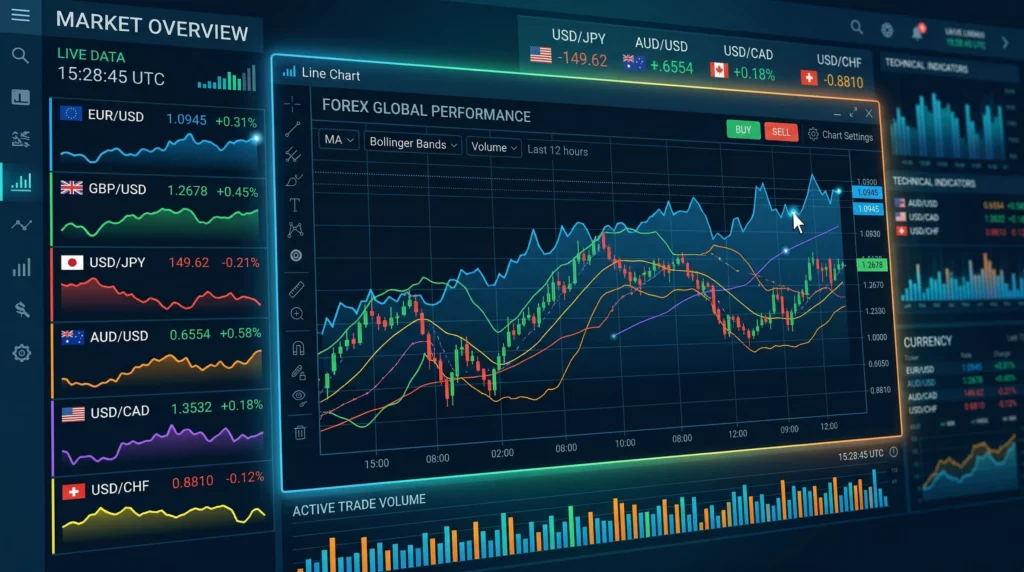
Currency pairs are simply two different currencies quoted against each other. When you trade Forex, you’re buying one currency and selling another at the same time. The first currency listed in a pair is called the base currency, and the second one is the quote currency. How these pairs move depends on the exchange rate between them.
For example, if you’re looking at the EUR/USD currency pair, you’re watching how many US dollars (USD) one euro (EUR) can buy. If the EUR/USD rate goes up, it means the euro is getting stronger versus the dollar. Pretty straightforward, but worth practicing until it feels like second nature.
If you’re new to this, you’ll find it helpful to check out some Forex trading basics and terminology to get familiar with the language traders use every day.
Major Currency Pairs: The Movers and Shakers
Major currency pairs always include the US dollar (USD) and are associated with the world’s most traded economies. Thanks to their popularity, major pairs offer high liquidity and lower spreads, reducing trading costs. These pairs are usually a good entry point for traders since they see the most action and offer plenty of information for analysis.
- EUR/USD (Euro/US Dollar): This is the most traded pair globally. It’s known for strong trends and smaller spreads.
- USD/JPY (US Dollar/Japanese Yen): Popular with both newcomers and seasoned pros, this pair is valued for its stability.
- GBP/USD (British Pound/US Dollar): Called “the Cable,” it offers plenty of volatility and good trading volume.
- USD/CHF (US Dollar/Swiss Franc): The Swiss franc is often regarded as a safe haven, so this pair can behave uniquely during uncertainty.
- USD/CAD (US Dollar/Canadian Dollar): This pair is linked to commodities, especially oil prices.
- AUD/USD (Australian Dollar/US Dollar): Commodity traders tend to watch this pair, as the Aussie dollar tracks raw material prices.
- NZD/USD (New Zealand Dollar/US Dollar): While New Zealand is a smaller economy, this pair is still liquid since the country is an important player in agriculture and global trade.
Because major pairs are so widely traded, they’re seen as a solid choice for those getting started with Forex Trading. Reliable analysis and plenty of resources make them less intimidating.
Minor and Cross Currency Pairs: More Variety, Different Risks
Minor pairs (sometimes called cross pairs) feature major international currencies but don’t include the US dollar. These pairs bring more variety to trading and can move differently compared to major pairs. Pricing and liquidity can feel a little less steady, and spreads may be wider.
- EUR/GBP (Euro/British Pound): This pair often reflects Brexit updates and European data, making for interesting shifts.
- EUR/JPY (Euro/Japanese Yen): It combines European and Asian influences, resulting in unique price movements.
- GBP/JPY (British Pound/Japanese Yen): Known for volatility, which is great for traders who like big moves, but it comes with more risk.
- AUD/JPY (Australian Dollar/Japanese Yen): Popular among traders watching Pacific markets and commodity shifts.
- CHF/JPY (Swiss Franc/Japanese Yen): Shares some safe haven characteristics, especially in choppy markets.
Trading minors is a great way to branch out once you’re more comfortable. They offer additional trading opportunities and can keep things interesting, particularly when major pairs are quiet.
Getting Started with Currency Pairs
Jumping in starts with learning which pairs suit your goals. Taking the time to explore each pair’s background makes for smarter decisions as you progress in Forex Education. Here are some practical tips to get started:
- Focus on a Few Pairs: Trying to follow every pair early on can get confusing quickly. Sticking to one or two main pairs helps you spot trends more easily and builds your confidence gradually.
- Understand What Moves Them: Stay on top of economic news, central bank meetings, and political headlines for the countries that make up your chosen pairs. These events move prices every day.
- Pay Attention to Trading Sessions: Certain pairs become most active during particular hours; for example, EUR/USD often moves more during the overlap between European and US sessions.
- Manage Your Risk: Use stop losses and risk management tools, especially with minor pairs, since they’re often more volatile.
- Practice on a Demo Account: Most platforms offer demo accounts for virtual trading. It’s the ideal way to learn how currency pairs behave without risking real money.
Observing how major and minor pairs respond to economic changes helps you get a sense of the market’s vibe. Paying attention to these details is extremely important for developing a trading philosophy that fits your style.
Factors That Move Major and Minor Currency Pairs
Getting a sense for what makes currencies swing up or down will give you an edge, whether you’re trading the big names or cross pairs. Currency values change based on a combination of economic factors, including:
- Interest Rates: Higher interest rates generally attract foreign investment, which can boost a currency’s strength.
- Economic Reports: Employment numbers, inflation statistics, and GDP growth can cause sharp moves when released.
- Political Events: Elections, changes in government, or unexpected political news can ripple through the currency market.
- Central Bank Decisions: Central banks, such as the US Federal Reserve or European Central Bank, set policies that influence long-term trends.
- Market Sentiment: Shifts in global mood, news stories, and risk preferences can all impact how certain pairs perform, especially safe haven or higher-risk currencies.
Tracking these factors gives you a deeper insight into what’s moving the market, so your trades are built on more than gut feeling.
Common Challenges and How to Tackle Them
- Wide Spreads on Minor Pairs: With less liquidity, minor pairs often have wider spreads. Always double-check the spread before entering trades to avoid surprise costs.
- Sudden Volatility: Cross pairs, in particular, can swing sharply on unexpected news. Use stop-losses to protect your capital during these moments.
- Information Overload: The sheer number of pairs and economic data points can feel overwhelming. Keep focused by prioritizing high-quality, relevant information.
- Emotional Trading: Fast price movements can prompt snap decisions. Sticking with your trading plan and reviewing trades afterward is key to steady growth.
Real-Life Example: Trading EUR/USD vs. EUR/GBP
I remember when I first dabbled in EUR/USD. News about US interest rates would get the pair moving quickly, but the liquidity kept the spreads tight and slippage minimal. Flipping to EUR/GBP, things often felt slower, with eurozone or UK-specific news having a bigger impact. It took time practicing to spot these differences, but knowing each pair’s unique rhythms definitely made my trades feel more in control.
Frequently Asked Questions
Here are some common questions about trading currency pairs, with practical insights from my own experience:
Question: What’s the difference between major and minor currency pairs?
Answer: Major pairs always involve the US dollar and are known for high liquidity and lower transaction costs. Minor pairs don’t have the US dollar, and while they still involve strong economies, their trading volumes and liquidity are smaller, which can mean bigger spreads.
Question: Is it better for beginners to start with major or minor currency pairs?
Answer: Beginners often find majors easier to start with, since they have more predictable moves, tighter spreads, and loads of educational content. Focusing here helps you get the basics down before switching up to minors.
Question: How do I choose which currency pair to trade?
Answer: Pick pairs that fit your trading hours, risk tolerance, and interests. If you enjoy following European news, try EUR/USD or EUR/GBP. It helps to research or try demo trading with a few pairs to see which ones match up with your approach. I would say, start with a demo account. Do not learn with your hard-earned money.
Question: What kind of news should I watch when trading currency pairs?
Answer: Keep an eye out for interest rate announcements, employment numbers, inflation data, political news, and central bank statements for your chosen pairs. This information forms the backbone of smart Forex Education.
Wrapping Up
Learning how major and minor currency pairs work is a smart move for building your Forex trading know-how. Getting comfortable with a few pairs helps you spot trends, manage risk, and expand your trading tools over time. Each pair acts a bit differently, so it pays to do your homework and practice consistently. If you stick with solid Forex Education and keep practicing, you’re well on your way to understanding how to become a successful Forex trader.
Whether you begin with majors or mix in some minors, staying patient and sharp pays off. In time, currency trading really starts to make sense—and it’s even more enjoyable once you hit your stride!

The Investor
Monday 30 March 2026
About The Author
I started to look into individual stocks in January 2022. I created this diary initially for myself to track my investing progress, and second, as a place where I can share my ideas publicly, not only on stock investment, but on any venture that I start learning, such as Forex Trading, Blogging, or any other future venture that I might think of trying out.
By repeating things to myself, I learn by trying to explain them to others; therefore, I help myself better understand what I am learning. Additionally, hoping that others will share their ideas and learn from each other, and lastly as an online business where some links that I share are affiliate links, and if anybody bought anything by clicking those links, I will get a commission based on that successful sale, which of course will not affect the price at which you are buying the product or service.
For more detailed information on my affiliate disclosure, please refer to the Full Affiliate Disclosure page.
This blog is also part of my blogging learning project. I’m using a platform to learn this part. If you are interested in it, it is called Wealthy Affiliate.
Furthermore, this site is in no way or form giving any financial or investing advice, nor is it encouraging or discouraging people to buy or sell any financial instrument. This is a personal diary in which I track my own progress and share it for informational, educational, and entertainment purposes.