
The Investor Diary Entry #116: March 31, 2026
If you are new to the world of Forex Trading, figuring out where to start with trading strategies can feel a bit overwhelming. Different styles suit different personalities and schedules, and picking a method that lines up with your goals really matters.
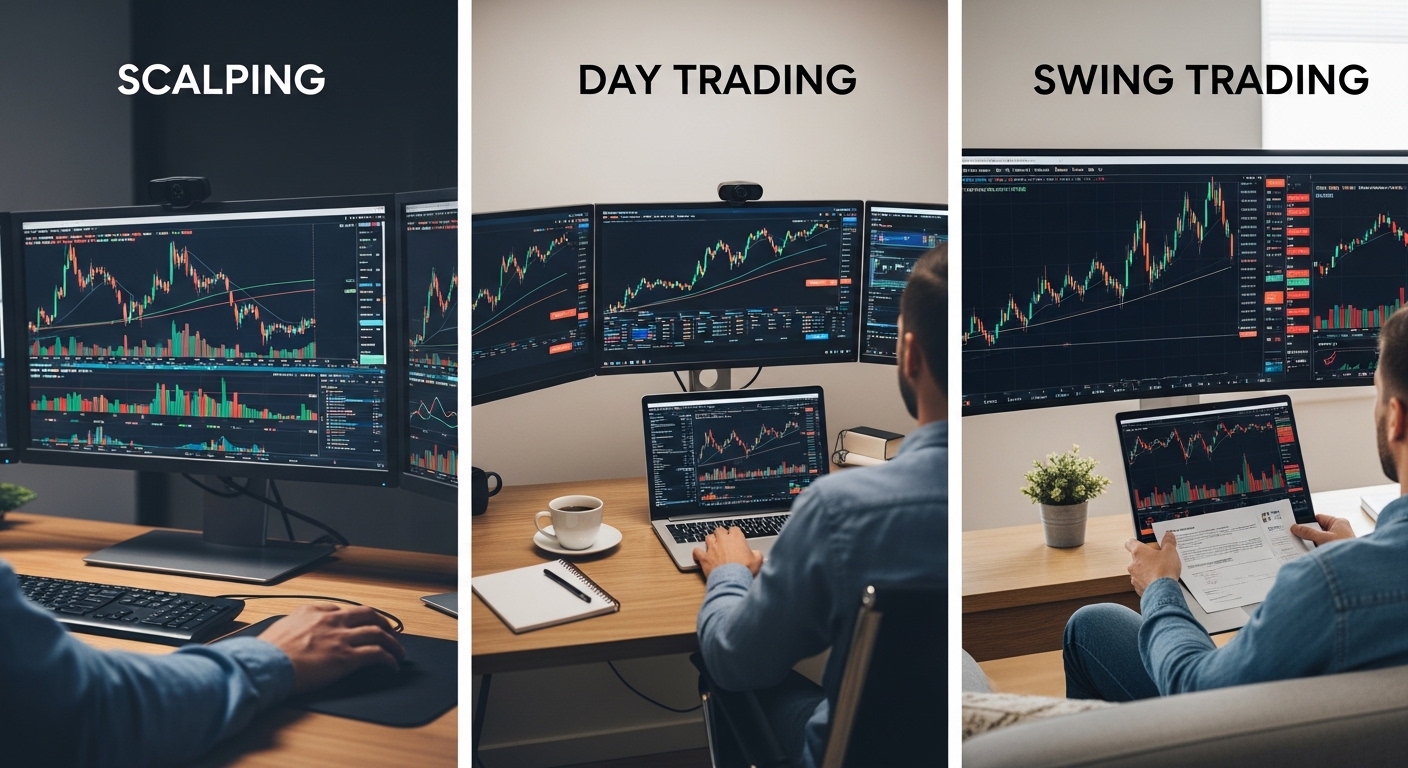
In this article, I am sharing my hands-on experience and insights with three popular Forex trading strategies: scalping, day trading, and swing trading. That way, you can find your fit and trade with more confidence.
Don’t worry about finding your fit right now. I would say keep this information in mind and keep coming back to it, and eventually you will realize which type you fit more into. I didn’t know which type I belong to until recently.
Now I know where do I fit today based on different criteria, such as level of experience, amount of capital I am willing to invest at the beginning, and my life style with the amount of hours I can dedicate to Forex trading.
I also know what type I want to develop into in the future. Don’t misunderstand this statement. I don’t mean that one is better than the other, but it talks about capital growth and how I see my lifestyle evolving in the future.
TL;DR: Key Forex Trading Strategies Explained
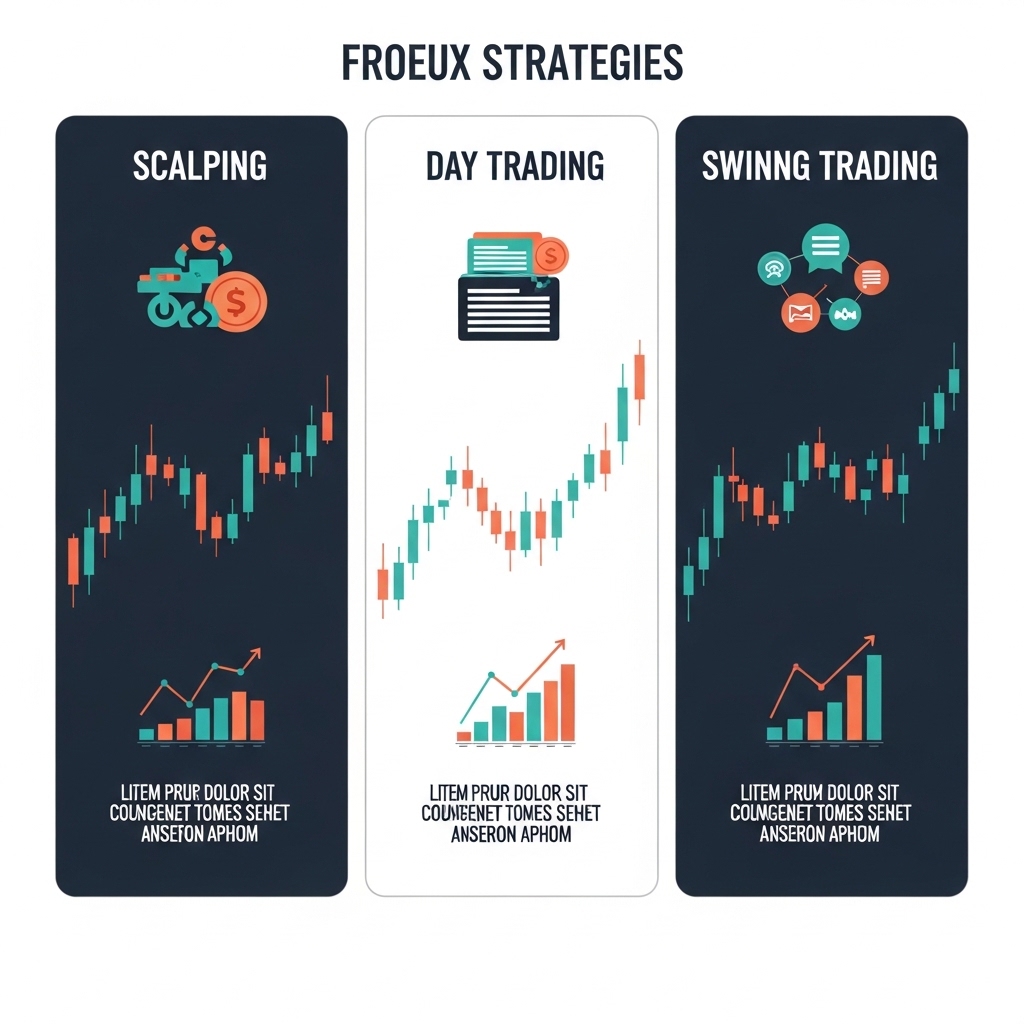
Looking for a quick rundown? Scalping is all about fast trades with small profits, while day trading means opening and closing positions within the same day. Swing trading aims for bigger moves over several days or weeks. Choosing the right strategy means thinking about your lifestyle, risk comfort, and trading experience. Grasping the differences between scalping, day trading, and swing trading gives you the freedom to go with an approach that matches your financial goals and the time you have for trading.
Forex Trading Strategies: Why They Matter for Every Trader
Having a solid trading strategy helps take the guesswork out of decision-making. It gives you a road map for navigating the wild swings and abrupt moves in the Forex market. Every trader has unique preferences, and what fits one person might not suit another. I have found that your daily routine and personality play a massive role in making your trading style feel just right.
If you’re not fully comfortable with the core ideas, Forex trading basics and terminology are definitely worth checking out. Knowing what terms like “pip,” “spread,” and “leverage” mean can make any strategy a whole lot more intuitive. Forex trading basics and terminology is a helpful resource for getting started.
Scalping: Fast Trades, Quick Profits
Scalping is a style focused on grabbing small price movements, usually within a tight window of minutes, sometimes even seconds. Scalpers strike me as the sprinters of the Forex scene, zeroed in on catching any opportunity to pocket a few pips before jumping to the next trade.
- Trade Duration: Seconds to a few minutes. Most trades are closed quickly before any big market move unfolds.
- Frequency: Dozens or even hundreds of trades in a single day.
- Focus: Major and minor currency pairs with tight spreads and high liquidity (major and minor currency pairs explained here).
Setting up for scalping means you’ll want a speedy trading platform and have to keep a close eye on transaction costs. Frequent trades can stack up commissions and spreads fast. In my experience, the kind of focus and energy scalping needs is best for folks who thrive in fast-paced situations. If you like excitement and are always on the lookout for quick market shifts, this approach may suit you.
Tips for Scalpers
- Stick to currency pairs with low spreads and high volume. EUR/USD and USD/JPY work well.
- Enforce strict stop-losses, as price can reverse fast.
- Be ready to stay glued to your screen during session times.
Day Trading: In and Out Within One Session
Day trading involves opening and closing trades within a single trading day, so you never hold positions overnight. I’ve found this style especially useful if you want to avoid surprises from overnight news or unexpected market gaps.
- Trade Duration: Minutes to several hours. All trades close before the market day finishes.
- Frequency: Usually a handful of trades throughout the day.
- Focus: Taking advantage of intraday price moves, with enough volatility to allow for a worthwhile profit per trade.
Day traders usually rely on technical analysis and economic news to time their trades. Given the limited hours, things move quickly, but each trade is a bit bigger than what scalpers target. The key here is sticking to your plan; if you let your emotions call the shots, day trading gets risky fast.
Tips for Day Traders
- Always have a solid entry and exit plan for every trade, and stick with it.
- Watch economic calendars. A single big news drop can swing your trade up or down in seconds.
- Balance your risk and reward. Don’t risk more per trade than you’re comfortable with.
Swing Trading: Catching Larger Moves Over Days or Weeks
Swing trading works well for people who have a full-time job or don’t want to spend the whole day in front of charts. Here, you hold trades for days or even several weeks, aiming to snag profits from broader price swings or solid trends.
- Trade Duration: Several days up to a few weeks.
- Frequency: Fewer trades, maybe just a couple each week.
- Focus: Tracking down bigger trends or reversals, and sometimes zooming out to daily or weekly charts for clues.
Swing traders rely heavily on technical analysis, but paying attention to fundamental trends and big news works well too. I really like the slower pace and having time to think before acting on a trade. If you’re patient and like getting a feel for the bigger picture, this style gives you a solid balance between staying active in the market and keeping your schedule flexible.
Tips for Swing Traders
- Use trend indicators like RSI, MACD, or moving averages to help confirm the market’s direction.
- Give your stop-losses a bit more breathing room, since swings take longer.
- Stay updated on upcoming events that could shake up the pairs you trade.
Choosing a Forex Trading Strategy That Suits You
Finding your strategy is a lot like finding the right workout. You want it to line up with your lifestyle and your goals. Here’s a quick guide for creating your Forex trading strategy:
- Check Your Available Time: Scalping demands constant attention; swing trading only needs you to check in here and there.
- Know Your Risk Tolerance: Fast-paced trading, like scalping, is stressful, while swing trades tend to carry larger but less frequent risks.
- Grow Your Knowledge: Gaining a solid understanding of Forex basics and practicing with demo accounts is a safe way to learn.
Doing your research makes you more confident when choosing. Trying out these styles with virtual money stops you losing real funds as you get the hang of things.
Potential Challenges in Each Trading Style
Each trading approach has its own hurdles. Being aware helps you prepare and sidestep costly mistakes. Here’s what you might face:
Scalping: Staying Laser-Focused
This method is quickfire, and losing focus for a moment can wipe out a day’s gains. Sometimes, trading platforms may lag, and commissions build up fast if you’re not careful. Always double-check your trading setup, and avoid overleverage at all costs.
Day Trading: Managing Emotions
Speedy choices are a must, so keeping a cool head and resisting impulsive trades is crucial. The temptation to overtrade out of boredom or frustration is always there, and you need strong discipline to resist it.
Swing Trading: Handling Overnight Risk
Since trades stay open longer, you’re vulnerable to news or global events that can shake things up while you sleep. Using stoploss orders and sizing your positions can help you keep losses under control.
Real-World Applications and Why Strategy Choice Matters
Personally, I’ve mixed and matched these styles over the years, letting my trading activity reflect what’s happening in my life and in the market. Lots of traders do this—adjusting as their comfort and the broader market conditions change. Scalping tends to work best when markets are hyperactive, while swing trading really shines when trends are steadily building. Making your methods match the situation can really give your trading results a boost, while also lowering stress and helping you stick with it long-term.
Frequently Asked Questions
Got questions? Here are some common ones I hear, with straightforward answers to set you on your way:
Question: Which Forex trading strategy is the easiest for beginners?
Answer: Swing trading is often a good entry point; it moves at a more relaxed pace and doesn’t require constant monitoring, making it manageable for most new traders.
Question: Can I use more than one strategy at the same time?
Answer: Many traders do switch between different methods as needed. Remember to test new strategies with demo accounts before committing real cash.
Question: What kind of tools or charts should I use for these strategies?
Answer: Technical indicators such as moving averages, Bollinger Bands, and RSI work well for all three styles. Choose charts with clear price action and dependable indicators to help you make out the best trades.
Question: Do major and minor currency pairs affect strategy results?
Answer: Absolutely. Major and minor currency pairs usually bring lower spreads and higher liquidity, which is especially vital for strategies like scalping and day trading.
Wrapping Up
Getting a grip on the details of scalping, day trading, and swing trading puts you in control when shaping a plan that suits your money goals and schedule. Whether you want quick action or prefer to wait for bigger trends, finding your comfort zone in Forex Trading is really about understanding your style and sticking to what works for you. Regardless of where you start, the key is to stay open-minded, keep learning, and adjust your game plan as you go. The more you know, the better your chances for long-term success—so keep testing, reflecting, and growing as a trader.
The Investor
Tuesday 30 March 2026
About The Author
I started to look into individual stocks in January 2022. I created this diary initially for myself to track my investing progress, and second, as a place where I can share my ideas publicly, not only on stock investment, but on any venture that I start learning, such as Forex Trading, Blogging, or any other future venture that I might think of trying out.
By repeating things to myself, I learn by trying to explain them to others; therefore, I help myself better understand what I am learning. Additionally, hoping that others will share their ideas and learn from each other, and lastly as an online business where some links that I share are affiliate links, and if anybody bought anything by clicking those links, I will get a commission based on that successful sale, which of course will not affect the price at which you are buying the product or service.
For more detailed information on my affiliate disclosure, please refer to the Full Affiliate Disclosure page.
This blog is also part of my blogging learning project. I’m using a platform to learn this part. If you are interested in it, it is called Wealthy Affiliate.
Furthermore, this site is in no way or form giving any financial or investing advice, nor is it encouraging or discouraging people to buy or sell any financial instrument. This is a personal diary in which I track my own progress and share it for informational, educational, and entertainment purposes.