

The Investor Diary Entry #94: December 10, 2025
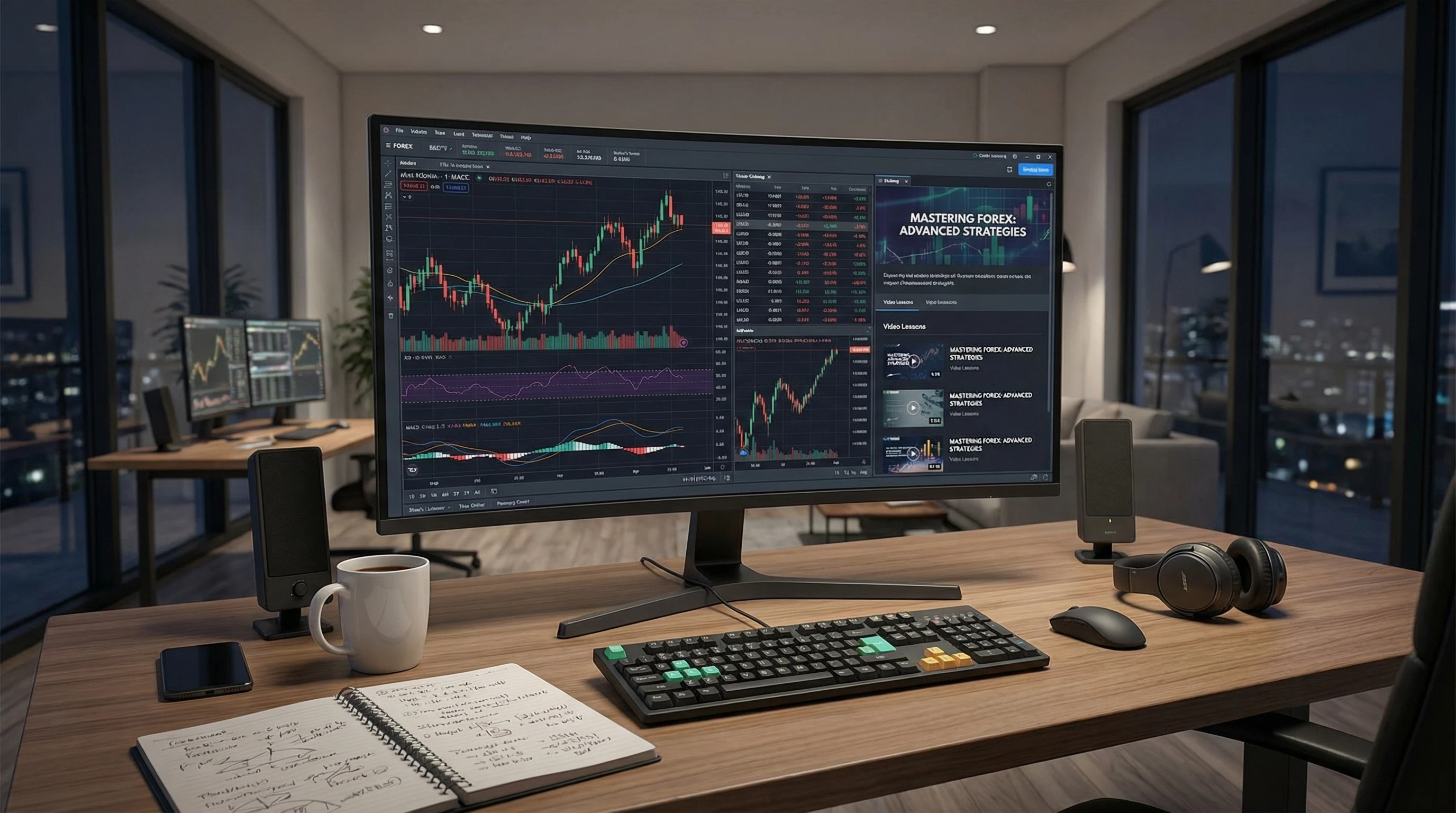
Picking a strong Forex trading course online can totally switch up your confidence and skill set as a trader. There’s a pile of options out there. Some that offer all the basics for newbies, and others filled with more advanced strategies for those ready to take things up a notch. After spending a fair amount of time checking out both free and paid online courses, I’ve learned what actually matters in a quality Forex training program and where a lot of people get tripped up.
AD;LR
A solid Forex course can give structure, clarity, and hands-on learning, but the online space is also full of hype, hidden upsells, and programs that look good on the surface but deliver very little. Even the better courses have limits—they can guide you, but they can’t guarantee profits or replace the commitment needed to backtest, practice, and stay consistent. The safest approach to how to choose the best Forex trading course online is to look for transparent instructors, honest student feedback, clear course outlines, and free previews that help you judge the teaching style before paying for anything.
Understanding Forex Trading Courses Online
The first step is to know what a Forex trading course actually offers. These aren’t just lesson videos you watch and forget; good ones walk you through the basics, give you live trading examples, supply risk management techniques, and often shape your whole approach to trading. With the rise of remote work and self-paced learning, it’s never been easier to find classes that fit personal schedules and learning styles.
Forex itself is all about trading one currency against another. It’s got a global daily trading volume that’s at least several trillion dollars. Whether you’re aiming to trade short-term for quick profits or looking to build up long-term skills, the right course can make learning the ropes way smoother. Plenty of these programs give lifetime access or active community forums, which are pretty handy for ongoing support. Some premium ones even step up your experience with personal mentorship or weekly Q&A sessions where you can ask direct questions and get speedy answers.
How to Find Forex Trading Courses Online
Finding the right program can feel overwhelming, mainly because the industry is filled with promises of fast riches. But once you know what to look for, the process feels less daunting. The best place to start is by figuring out your own goals. Are you brand new to Forex or trying to build on existing knowledge? Suppose you’re still figuring out how to find Forex trading courses online; then, using trusted comparison sites, online trading forums, and community reviews is a good first move. Always look for detailed course outlines and credible instructor backgrounds, since flashy marketing doesn’t always equal results.
Checking out YouTube channels and preview modules on sites like Udemy or Coursera can also help gauge if a program’s teaching style feels right. It’s smart to track down where to find Forex trading courses from trusted sources. Many top programs have sample lessons or community discussion boards where you can see current students sharing experiences, which is a great way to spot red flags or strong endorsements. Additionally, don’t forget to check whether the course content is kept up to date to match current market conditions.
Key Criteria When Comparing Forex Trading Courses

Buying the first flashy course that catches your eye is rarely the best move. I usually rely on a practical criteria checklist to compare options; this helps separate legit options from the ones just trying to grab your cash.
- Instructor background: Positive reviews are one thing, but verified trading history and clear, real-world experience from the instructor are even better.
- Lesson content depth: An ideal course covers both theory and practical application. Look for topics like technical analysis, trading psychology, and how to build a Solid Forex Trading Plan.
- Community and mentorship: Courses that offer access to a member-only group or regular Q&A sessions let you learn from others and avoid going it alone.
- Reviews and testimonials: Independent review platforms, Reddit threads, or trading forums where students share honest feedback are gold. One of the places that I personally use is trustpilot.com. This is where I can find how the platform is rated and reviews of people who have actually used the platform. Some Platforms have no rating and no reviews, but that in itself is information.
Most reputable programs offer a money-back guarantee. Always check refund policies before committing. Also, pay attention to whether the course includes quizzes, interactive activities, and support channels like chat or email—all perks that make learning easier and more effective.
One of the platforms that I was checking out had got me into a live interactive webinar to check out the information about the platform. This platform was a pricey one, and to tell you the truth, I really liked this option a lot. The presenter would actually ask people to comment on certain questions that he would ask, and I posed some questions as well, but my questions were never answered. Finally, I realized that the whole interactive webinar was not interactive and was not live, and the comments were part of the recording. Of course, this platform became an absolute no go for me, regardless of how good their course outline seemed to be.
BeginnerFriendly Vs. Advanced Forex Courses
All Forex trading courses are not created equal. Beginner courses usually start with terminology, platform walkthroughs, and very straightforward strategies. The best beginner lessons use clear visuals and step-by-step tutorials, making it easy to practice without feeling overwhelmed.
Advanced courses zero in on things like algorithmic trading, risk/reward ratio management, and dive into deep technical analysis. These often feature more case studies, access to trading simulators, and live market breakdowns. If you’re just starting out, resist jumping to advanced material; you’re way less likely to stick with it if the early modules feel super confusing. For advanced learners, look for programs that cover new trading strategies or explore indicators and trading robots, giving you more tools for your toolbox.
Personally, I am old school. I am not into algorithmic trading nor trading robots. I am someone who is learning how to read the charts and how to create a solid Forex trading plan based on the different trading schools of thought.
I am not learning how to mix Smart Money Concepts with the Classical school, combined with the use of moving averages and oscillators.
Common Pitfalls and How To Avoid Them
One of the easiest traps is flashy guarantees. If a course promises you’ll become a millionaire overnight with zero experience, be suspicious. I always keep an eye out for:
- Unrealistic profit claims: No program can guarantee profits. Solid ones encourage backtesting and demo accounts first. Some of the really good ones, would start with the theory and them move the learner to backtesting, then a Demo account, then when going live to start off with a very small amount, and all this is part of the training steps.
- Hidden upsells: Some platforms lure students in with free introductions, then hide the real lessons behind expensive memberships. I heard that Google is now fighting such pricing strategies and asking online businesses to expose all their costs upfront. But to tell you the truth, I am not totally sure how they are doing that, and if they already started.
- Lack of clarity: If the course curriculum isn’t clear from the start, chances are you’ll be disappointed later.
Use comparison tools and seek out independent reviews before buying. And don’t underestimate the value of free content; sometimes a YouTube playlist gives more practical skills than a pricey seminar. Likewise, make sure you receive access to all materials as promised—read the fine print so there are no surprises later.
How To Tell If A Forex Course Is Legitimate
There’s a lot of marketing noise in the Forex space, so verifying legitimacy can save you cash and headaches. Sites with full instructor credentials, transparent refund policies, and tons of verified student reviews get my vote. Try to contact support before buying; if they reply quickly with real answers, that’s generally a good sign.
Look for educational programs that are regularly updated and show student success stories that aren’t too polished or too generic. Genuine testimonials, real trading examples, and flexible learning paths all add confidence. Additionally, established courses may even have partnerships with regulated brokers or financial education institutions, adding an extra layer of trust.
Important Course Features To Look For
Programs filled with value typically have all or most of these features:
- Hands-on trading demos: It’s much easier to learn by following along and opening demo trades using recommended platforms.
- Ongoing updates: The Forex market can mix things up constantly. Courses that update materials and send new strategy breakdowns keep your skills current.
- Community groups or forums: Shared learning really helps, so look for active discussion boards or group coaching elements.
- Assignments and progress trackers: If a course includes interactive quizzes, journal exercises, or regular feedback, you’re not just passively watching but actually building your foundation.
Don’t overlook the usefulness of lifetime access, mobile compatibility, and diverse teaching formats (video, audio, reading). If you value learning on the go, choose a program that lets you access materials from your phone or tablet. Some of the best courses also offer review sessions or market updates at regular intervals.
FAQ: Forex Trading Courses Online
Here are answers to the questions I hear the most:
Question: How can I tell if I’m ready for a Forex trading course?
Answer: If you have a genuine interest in Forex and are ready to commit to regular study and practice, you’re ready. You don’t need experience, just a willingness to ask questions and stick with the basics before jumping into real trades. Setting realistic goals and being open to learning from mistakes is key for anyone getting started.
Question: Are paid courses always better than free ones?
Answer: Not always. Many paid courses organize material in a more professional format and offer mentorship, but some of the best foundational info is available for free. Start with free resources to get your bearings, then look for paid options if you want a deeper experience or community access. Sometimes, combining both can give a full picture and help you fill in any gaps in your understanding.
Question: How long does it take to finish a Forex trading course?
Answer: Self-paced courses might take a few days to a month, depending on the depth. The learning never really ends, but most beginners see solid progress within several weeks if they stick with it. Advanced topics or real trading skills development can take several months, especially if you’re testing strategies as you go.
Final Thoughts: Building Your Forex Trading Foundation
Taking the time to choose the right Forex trading course can really make a difference. Focus on proven instructors, clear curricula, active support, and plenty of practical learning activities. If you start by following trusted sources for How to find Forex Trading Courses Online and check out resources on where to find Forex trading courses, you’re setting yourself up for a much smoother learning curve. Trading can be unpredictable, but putting in the work early, learning fundamentals, and connecting with a supportive trading community makes the process smoother, smarter, and a lot more rewarding. And remember, every expert trader started as a beginner. Your commitment to learning will spell the difference between giving up and building a strong, adaptable trading skill set that stands the test of time.

The Investor
Wednesday 10 December 2025
About The Author
I started to look into individual stocks in January 2022. I created this diary initially for myself to track my investing progress, and second, as a place where I can share my ideas publicly, not only on stock investment, but on any venture that I start learning, such as Forex Trading, Blogging, or any other future venture that I might think of trying out.
By repeating things I learn to myself and trying to explain it to others, I help myself better understand what I am learning. Additionally, hoping that others will share their ideas and learn from each other, and lastly as an online business where some links that I share are affiliate links, and if anybody bought anything by clicking tihose links, I will get a commission based on that successful sale, which of course will not affect the price that you are buying the product or service at.
For more detailed information on my affiliate disclosure, please refer to the Full Affiliate Disclosure page.
This blog is also part of my blogging learning project. I’m using a platform to learn this part. If you are interested in it, it is called Wealthy Affiliate.
Furthermore, this site is in no way or form giving any financial or investing advice, nor is it encouraging or discouraging people to buy or sell any financial instrument. This is a personal diary in which I track my own progress and share it for informational, educational, and entertainment purposes.
Really enjoyed reading your breakdown of how to pick a good forex trading course! I especially liked how you emphasized transparent instructors and clear outlines—that’s something many people overlook when they’re new to trading.
I do have a couple of questions that might help other readers too:
How do you personally verify the actual trading experience of an instructor, beyond what’s written in their profile?
Do you recommend any specific free resources to start with before investing in a paid course?
One thing I’d add from my own experience is how useful it can be to pair courses with demo trading practice, so you can try strategies without risking real money. It really reinforces what you learn and helps you avoid common pitfalls.
Also, I agree that no course can guarantee profits—education improves skills, but real-world trading takes patience, strategy, and ongoing learning.
Thanks again for the thoughtful guidance!
Paul
I am sorry Paul, I had written a very lengthy reply to you, but for some reason, the window closed on me. Let me try to do it one more time.
First of all thank you very much for your very thoughtful comment.
Regarding free resources, this is my first go-to. Unfortunately, I couldn’t find free structured resources for total beginners, and the keyword here is structure to take the trader from not knowing anything to being able to open and read a chart. There are a lot of resources for intermediate traders, actually more than what is needed, that would lead one astray sometimes.
Regarding instructor background, I am afraid there is not much that can be done except compare the general language of the website/platform. One thing to look for is a Youtube Channel, most of them don’t have one, but if there was one, then one can inspect the philosophy and methodology in general.
Another way is to contact the platform and ask questions, any questions of concern. This also serves to check the responsiveness of the platform and the way it is answering.
In my point of view, one cannot be 100% sure. One of my experiences was with an offline course. I sat with the instructor, and he explained what they were going to go through, then I took the course. To tell you the truth the course was beneficial, but they didn’t go through some of the interesting concepts that they said they will go through. Also, they were good traders, but not very good trainers; they lacked a lot in terms of training skills, and this is an offline course. An online course of course, has more ambiguity.
Choosing the best Forex trading course online comes down to realism, transparency, and alignment with your learning goals rather than flashy promises or complex strategies. A strong course provides clear structure, practical progression from theory to backtesting to demo trading, and honest instruction without guarantees of profits. Evaluating instructor credibility, student feedback, course clarity, and real interaction is far more important than marketing hype, as many platforms rely on illusions of success or engagement. Whether free or paid, the most valuable Forex education builds discipline, risk management, and consistency over time, helping traders develop sustainable skills instead of chasing shortcuts.
Hello S.J, thank you very much for your comment.
Absolutely, you have shot a straight arrow to the topic’s bull’s eye. Yes, even the free ones, one needs to be careful from because they might also be looking for ingagement and traffic.
Thank you very much.
This is a very grounded and realistic guide, especially for traders trying to cut through the hype. I appreciate how you emphasize transparency, verified instructor experience, and clear course outlines rather than flashy profit claims. Your personal example about the “interactive” webinar that wasn’t truly live is a great warning, those details help readers avoid costly mistakes. The breakdown between beginner and advanced courses is also helpful, reminding people not to rush into complex strategies too soon. I like that you highlight community access, demos, and refunds as real indicators of course quality. Overall, this post reinforces that a good Forex course supports learning and discipline, not shortcuts. It’s a strong reminder that education is about building a solid foundation, not chasing guarantees.
Hello Andrejs,
Unfortunately, industries with low entry costs are usually surrounded by scams and hypes high cost. Industries such as trading, online business..etc, attracts many of those who make high claims in such industries. One needs to be very careful in choosing where to gain knowledge in such industries.