

The Investor Diary Entry #112: February 28, 2026
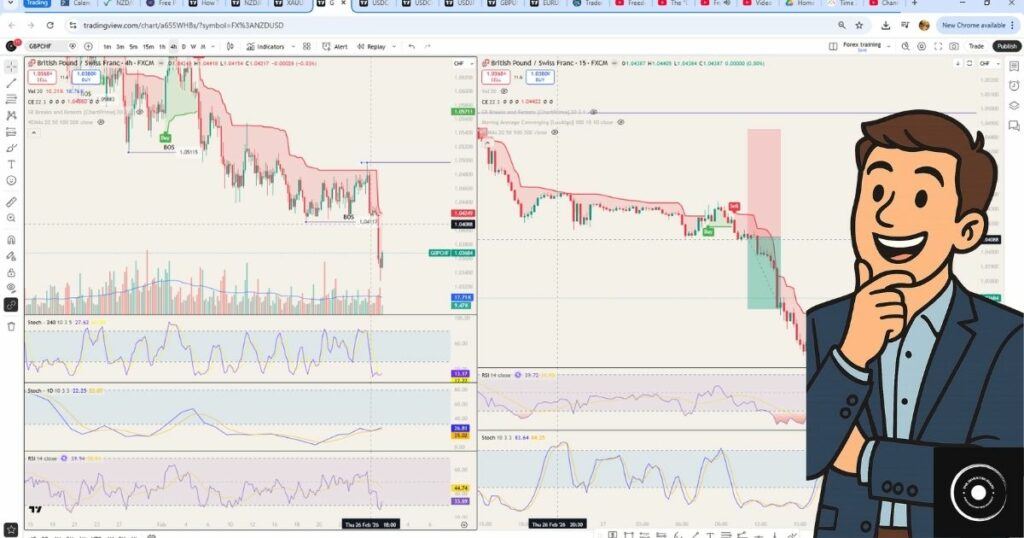
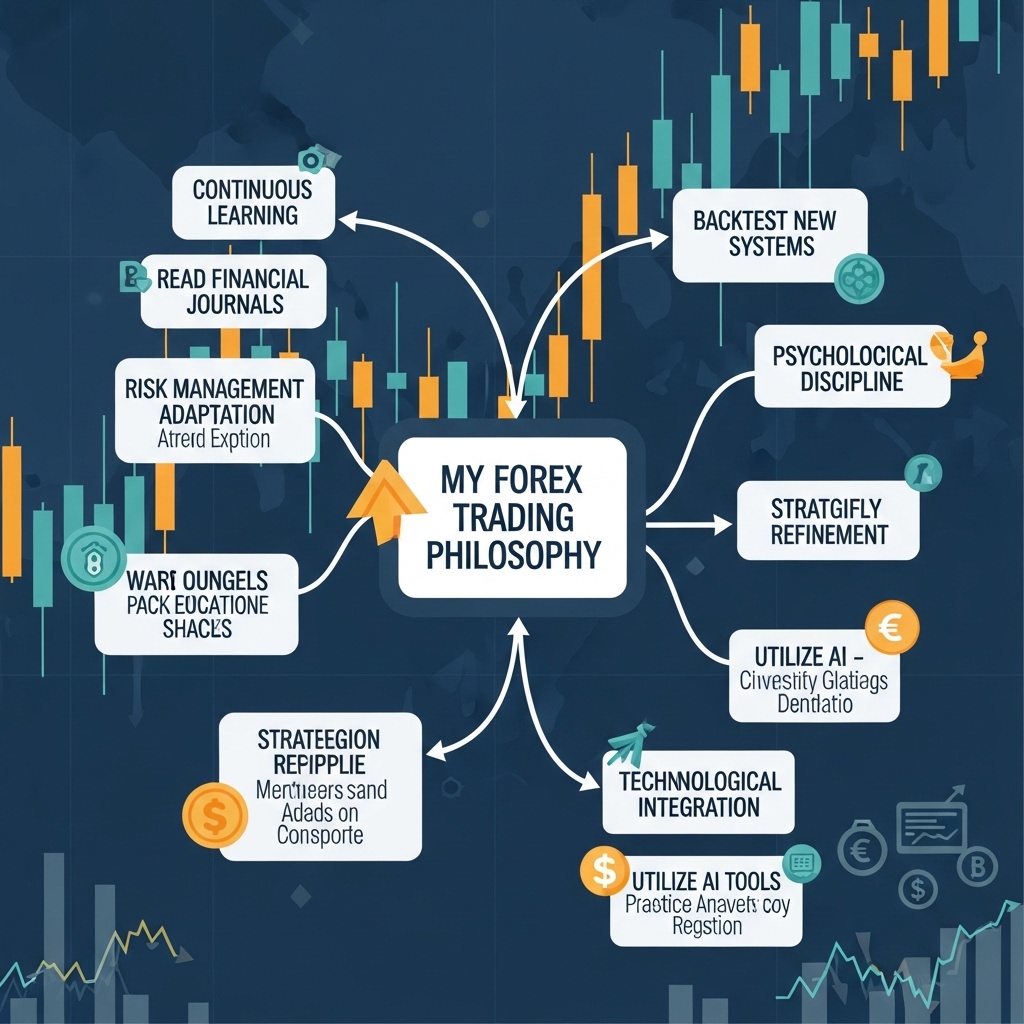
When I sat down to review my recent trades, especially the last position on GBPCHF, I realized that improving my performance was not about finding a new indicator or a new pair. It was about reviewing the infrastructure behind my decisions. This is not a discussion about trades. It is about structure, rules, and how developing a trading philosophy requires continuous revision.
TL;DR
My trading philosophy is not fixed. After a major loss erased three weeks of profits, I was forced to re-evaluate key rules, especially trading without a stop-loss and limiting trading hours. By testing adjustments, monitoring performance, and refining implementation details, I am learning that how to become a successful Forex trader depends on evolving systems, not stubborn beliefs.
Building A Structured Trading Environment
My trading platform is built on four layers: trading philosophy, strategic objectives, methodology, and trading plan. I organize rules from general principles down to specific daily execution rules. The philosophy sits at the top. It defines the environment in which I operate as someone building a professional, career-driven approach to trading.
From the beginning, I understood that developing a trading philosophy is not a one-time event. It is a dynamic process. It must change with maturity, experience, and results. A philosophy that cannot evolve becomes a limitation rather than a guide.
Recently, one trade forced me to confront this reality.
When One Trade Changes Everything
During the week between the 16th and the 20th, I had two trades: USDJPY and GBPUSD. One was a loss, the other a win. However, the loss was large enough to erase three weeks of accumulated profits. After closing both trades, the account was nearly back to its starting capital.
The reason was simple. That losing trade had no stop-loss.
I monitored the position daily. I saw moments where price could return in my favor, but it continued moving against me. Eventually, the Friday rule forced the trade to close. That rule states that positions must be closed on Friday. Without it, the loss could have grown even larger.
This experience challenged a core principle in my philosophy: trading without a stop-loss.
Reintroducing The Stop-Loss
I tested whether I could continue operating without a stop-loss. The answer was clear. I could not.
Now, I use the 15-minute and 4-hour timeframes together with the Chandelier Exit indicator. When entering a sell trade, I place the stop-loss at the upper boundary provided by the indicator. For buy trades, I use the lower boundary. This gives me a defined exit point based on structure, not emotion.
This change affects more than just risk control. It forces me to reconsider other philosophical rules, including the idea of avoiding losing trades entirely. With a stop-loss in place, losing trades become part of the system. They are no longer avoided at all costs but managed within predefined limits.
This is part of developing a trading philosophy: accepting that some beliefs must be replaced when tested against reality.
Time Management Under Review
Another rule under scrutiny is trading duration. I originally limited trading to one and a half hours, extending to a maximum of three hours if needed. Recently, normal trading sessions have been taking between two and a half and three hours.
This shift may seem minor, but it changes daily structure and focus. If the system requires more time for proper monitoring and execution, then the rule must be evaluated. Philosophy should serve the process, not restrict it unnecessarily.
Strategic Objectives And Weekly Returns
My strategic objective is to achieve between 10% and 25% per week. In the week between the 23rd and the 27th, three trades generated a 9.73% return. This is close to the minimum target, but not enough.
Being close to 10% is not the same as achieving it. The minimum exists to be exceeded. This pushes me to ask whether missed opportunities are due to flaws in rules or weaknesses in implementation.
For example, I had an alarm set for CHFJPY. The signal occurred, but my laptop was closed and I did not hear it. This is not a strategy problem. It is an implementation problem. Small operational details can prevent the execution of a valid setup.
Learning how to become a successful Forex trader includes mastering these details. It is not only about analysis. It is about building habits and systems that ensure the plan is executed consistently.
Improving Implementation, Not Just Rules
An evolving philosophy requires constant questioning: How do I apply this rule in the best possible way? If I set a rule, I must also design mechanisms to implement it reliably.
With multiple indicators, timeframes, and confirmation steps, forgetting one element is easy, especially when the system is new. Training myself to operate within this structure daily is essential. Over time, repetition turns complexity into routine.
The key lesson is that improvement happens both at the rule level and at the execution level.
FAQ
Why did you remove the no stop-loss rule?
Because one uncontrolled loss erased three weeks of profits. Testing proved that operating without a stop-loss exposed the account to unacceptable risk.
Does adding a stop-loss mean accepting losing trades?
Yes. With predefined risk, losses become controlled events rather than account-threatening surprises.
Are the strategic objectives changing?
No. The weekly return target between 10% and 25% remains. What changes is how the system supports achieving it.
Is the Friday rule still necessary?
It is under review. Since stop-losses are now in place, the rule may need adjustment, but it has already proven its value.
Conclusion
Improving and evolving my trading philosophy is not about adding complexity. It is about testing beliefs, observing results, and making adjustments without ego. Developing a trading philosophy means accepting that some principles will fail under real conditions. Learning how to become a successful Forex trader requires flexibility, discipline, and a willingness to revise the system when evidence demands it.
Philosophy is not static. It evolves with every trade, every mistake, and every refinement in execution.
The Investor
Saturday 28 February 2026
About The Author
I started to look into individual stocks in January 2022. I created this diary initially for myself to track my investing progress, and second, as a place where I can share my ideas publicly, not only on stock investment, but on any venture that I start learning, such as Forex Trading, Blogging, or any other future venture that I might think of trying out.
By repeating things to myself, I learn by trying to explain them to others; therefore, I help myself better understand what I am learning. Additionally, hoping that others will share their ideas and learn from each other, and lastly as an online business where some links that I share are affiliate links, and if anybody bought anything by clicking those links, I will get a commission based on that successful sale, which of course will not affect the price at which you are buying the product or service.
For more detailed information on my affiliate disclosure, please refer to the Full Affiliate Disclosure page.
This blog is also part of my blogging learning project. I’m using a platform to learn this part. If you are interested in it, it is called Wealthy Affiliate.
Furthermore, this site is in no way or form giving any financial or investing advice, nor is it encouraging or discouraging people to buy or sell any financial instrument. This is a personal diary in which I track my own progress and share it for informational, educational, and entertainment purposes.