
The Investor Diary Entry #113: March 25, 2026
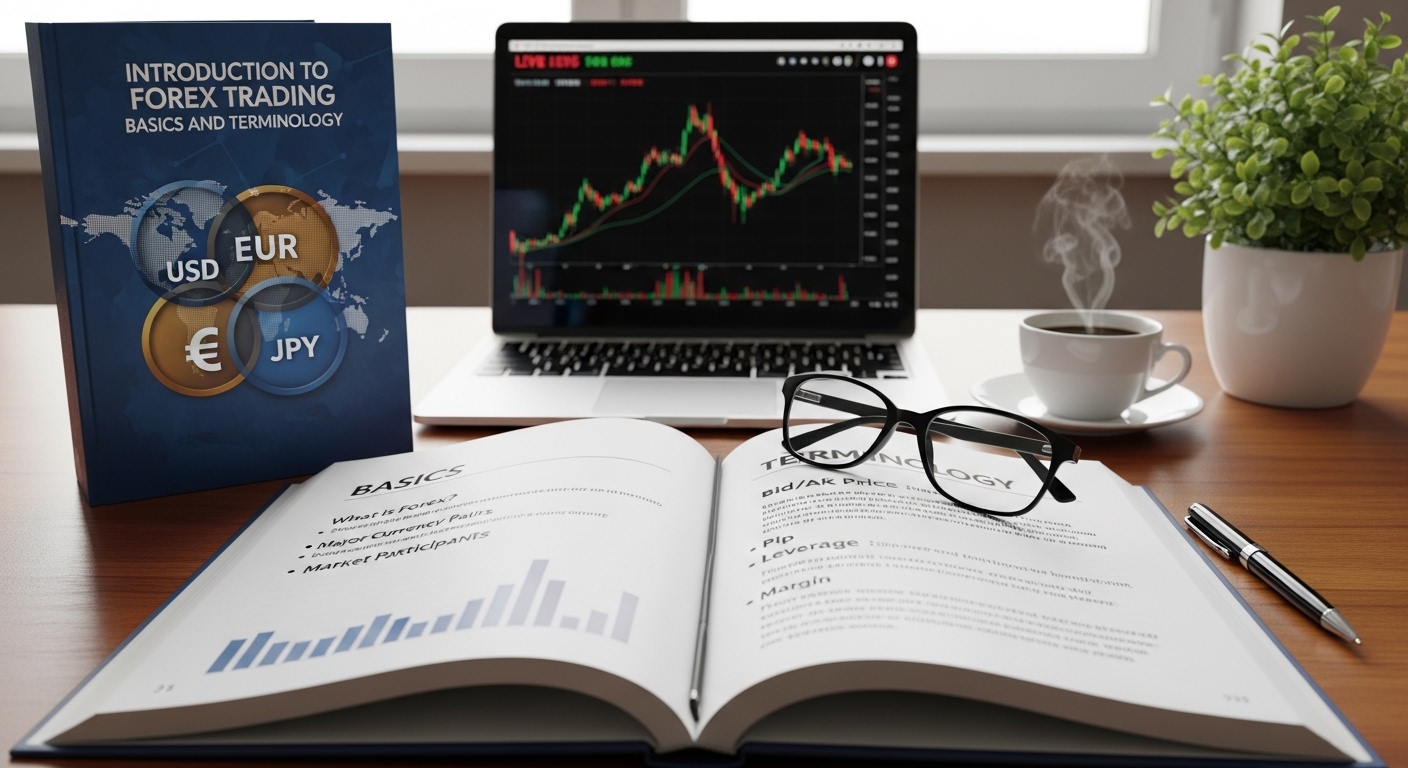
I received few messages asking about some basic information regarding Forex. Or, where and how can one start with Forex? Although this blog is a diary of my progress in Forex Trading, I thought that I would do my part and include some basics that might help new beginners.
I remember the first time I got into Forex back in 2003. It was an ad in the newspaper where a local broker was advertising a three-day free course in Forex trading. I was between jobs, and jumped to the chance to see what this world is all about.
Forex (short for foreign exchange) is where people and institutions buy and sell different currencies, trying to profit from how their values switch up over time. The basics are pretty approachable once you get familiar with the main terms and how trading works.
TL;DR: Quick Forex Trading Basics and Terms
Forex trading is the buying and selling of currency pairs through a global marketplace. The main purpose is to benefit from changes in exchange rates. This guide covers key Forex terminology, explains how trades are made, and points out some of the most common pitfalls for beginners. By learning basic trading terms like pips, lots, bid/ask prices, and understanding how currency pairs work, new traders can build a strong foundation before risking real money.
What Is Forex Trading?
Forex trading, often just called Forex Trading, involves exchanging one currency for another on a massive global marketplace. It’s actually the world’s largest financial market, with a daily volume of over $6 trillion. Currencies are always traded in pairs, like EUR/USD (Euro/US Dollar) or GBP/JPY (British Pound/Japanese Yen), because one currency’s value needs to be measured against another.
The main appeal for me was how accessible this market is; the Forex market runs 24 hours a day during weekdays, with major trading centers in London, New York, Tokyo, and Sydney. This round-the-clock schedule means you can hop in and out of the market at times that fit your routine.
The above reasons were why I didn’t get into stock trading. But the two main reasons why, at the time, I was hesitant about stock trading were: the need to search for companies that I are good for trading, and the second was that I could not short the market. This was my knowledge at the time, and on those bases, I stayed away from stock trading, and those reasons, although they no longer exist in my head, I am still out of stock trading to this day.
How Forex Trading Works
When trading Forex, you’re speculating on whether one currency will rise or fall in value compared to another. Trading takes place in different sessions as major financial centers open and close around the globe. Unlike stocks, there’s no central exchange. Most trading is done over the counter via brokers or online trading platforms.
- Buy (“go long”): Expecting the first currency (called the “base currency”) in a pair will strengthen against the second (the “quote currency”).
- Sell (“go short”): Expecting the base currency will weaken against the quote currency.
For example, buying EUR/USD means you think the euro will get stronger compared to the dollar. If you sell EUR/USD, you’re banking on the euro losing value against the dollar.
Key Forex Trading Terminology
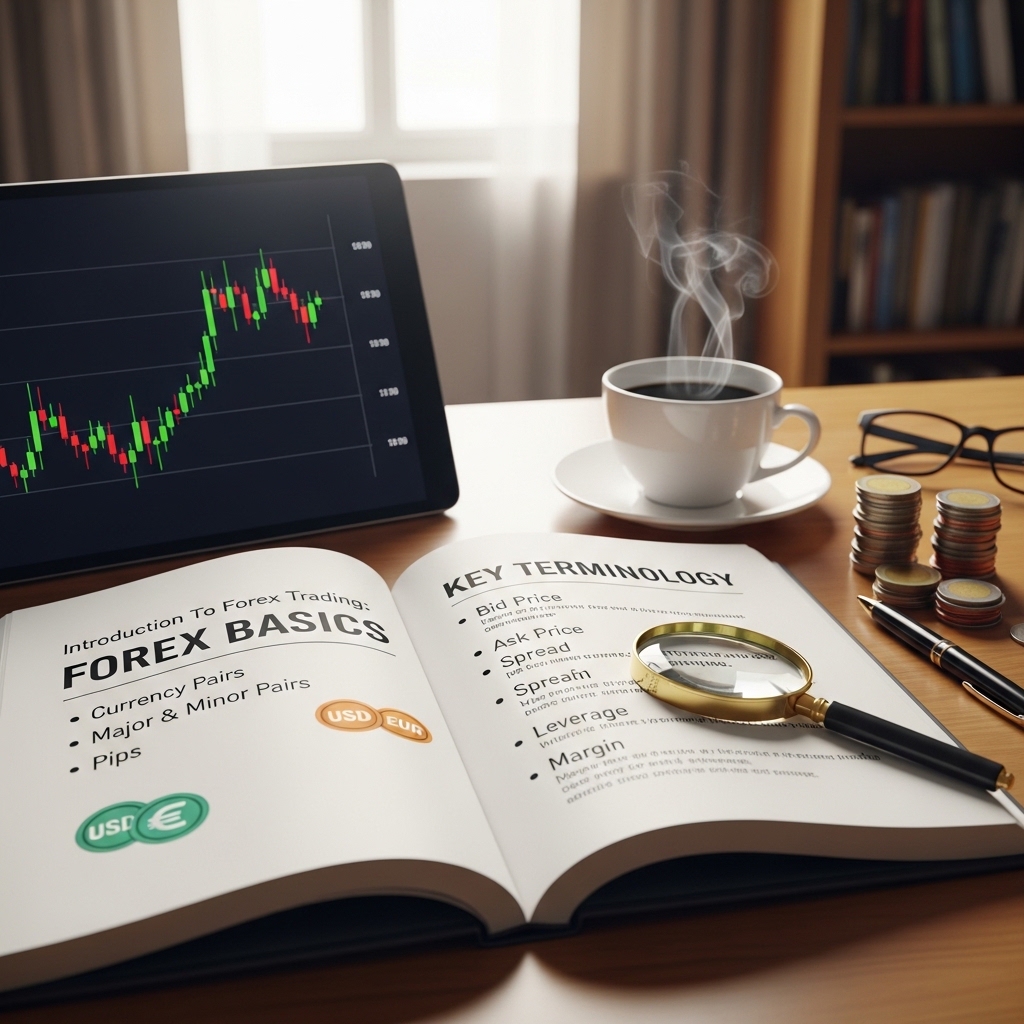
The terms used on Forex trading platforms can seem confusing at first. Here are the basics I found super important when I started:
- Currency Pair: Shows the two currencies you’re trading. The first is the base; the second is the quote. Example: USD/JPY means US dollar vs. Japanese yen.
- Bid Price: The price a buyer is willing to pay for the base currency.
- Ask Price: The price a seller wants for the base currency.
- Spread: The tiny difference between the bid and ask price. This is usually a small fraction of a cent and represents the broker’s fee.
- Pip: Stands for “percentage in point.” It’s the smallest move a currency pair can make, usually 0.0001 for most pairs.
- Lot: Standard size of a trade. One standard lot is typically 100,000 units of the base currency. Many brokers now let you trade “mini” or “micro” lots for smaller amounts.
- Leverage: Borrowing money from a broker to control a larger position using less of your own funds. For example, 100:1 leverage lets you control $100,000 with only $1,000 in your account. While that can pump up gains, it also ramps up risk.
- Margin: The amount of your own money you set aside when opening a leveraged trade.
- Stop-Loss Order: Sets a price automatically to close a losing trade, helping tone down potential losses.
- Take-Profit Order: Sets a price to automatically close a trade once it reaches a certain profit target.
Types of Forex Markets
Forex trading happens in a few different ways, depending on how and when trades are settled:
- Spot Market: Trades are settled “on the spot,” or immediately. Most retail trading takes place here. Prices reflect the current exchange rate.
- Forward Market: Contracts are made to buy or sell currencies at a future date, at a price agreed today.
- Futures Market: Standardized contracts to buy or sell a currency at a set date and price, traded on exchanges.
If you’re just getting started, you’ll probably deal mostly with the spot market, since that’s where most online trading platforms focus their tools and services.
It’s also worth mentioning that experienced traders sometimes mix in some variety by working with both spot and futures contracts, depending on their strategy and timing preferences. Having access to both allows for greater flexibility, but beginners should get comfortable in one before venturing into others.
How to Get Started in Forex Trading
Before making your first trade, there are a few things I recommend doing to minimize risk and build confidence.
- Educate Yourself: Read up on trading basics, market analysis methods, and risks involved. Understanding both the mechanics and the psychology behind successful trading is really important. The article on developing a trading philosophy is where I explain how having a whole trading framework helped me see why your mindset matters as much as your technical know-how.
- Choose a Reputable Forex Broker: Look for a broker that’s well-regulated, offers a user-friendly platform, has good customer support, and provides fair spreads and fees.
- Open a Demo Account: Most brokers offer free demo accounts. This lets you practice with virtual funds before risking real money. I think paper trading in a demo account is super useful for building confidence and getting a feel for how quick prices move.
- Start Small: Begin with small trades and use lower leverage until you’re comfortable managing positions and emotions.
Also, take advantage of online communities and forums where other traders share insights, tips, and warnings about scams or unreliable brokers. This extra layer of research pays off and helps you avoid unnecessary pitfalls.
Things to Watch Out For as a New Forex Trader
Jumping into Forex without a plan can lead to costly mistakes. These are some hurdles I encountered as a beginner:
- Overleveraging: Using too much leverage can quickly wipe out your trading account, even on a small market movement. Stick to lower leverage until you’ve built up both knowledge and confidence.
- Emotional Trading: Making decisions based on fear or greed (instead of logic) can cause you to hold onto a losing position or exit a winner too soon. Setting clear stop-loss and take-profit orders, and developing a trading philosophy can help manage this.
- Lack of Research: Jumping into trades without understanding the news, economic data, or what’s happening in the market often leads to losses. Careful research helps buyers make informed decisions.
- Poor Risk Management: Only trade with money you can afford to lose, and never risk your entire account on a single trade.
It’s just as important to keep an eye out for scam platforms or promises of guaranteed returns. The Forex market is regulated in many countries, so always verify your broker’s credentials and seek reviews and feedback from the trading community.
Why Strategy and Mindset Are Important
Understanding strategy goes way beyond just learning terms and using trading software. Your approach determines if you’ll stick around long enough to see steady results. My experience is that combining technical skills with the right mindset, as laid out in guides about how to become a successful Forex trader, really helps you stay focused and patient; two qualities that pay off over time.
Successful traders keep a trading journal to track what works and what doesn’t. Writing down your decisions, thought process, and outcomes helps you spot patterns and gradually build better habits. Positive routines and discipline are as crucial as learning technical indicators or patterns on charts.
Practical Example: A Simple Forex Trade Step By Step
Seeing how a trade works in real time can clear up some confusion. Here’s how a basic trade goes down:
- You think the Euro will get stronger against the US Dollar, so you decide to buy (go long) EUR/USD at 1.1000.
- You buy a minilot (10,000 units) using leverage, so your margin deposit might be just $100, depending on broker terms.
- The pair’s exchange rate rises to 1.1100, so you decide to close your trade for a profit.
- You make 100 pips (0.0100), which on a minilot is about $100.
This simplified example shows how trades get in and out. Real trading carries more risks and things can move much faster (sometimes in the wrong direction), so patience and planning really pay off.
Sometimes, unexpected global news or economic reports can cause currencies to jump or drop very quickly. That’s why most traders set stop-loss and take-profit orders from the get-go. Managing your risk with each trade means you’ll be around to try again tomorrow.
Frequently Asked Questions
Here are some common questions about getting started in Forex trading:
Question: What hours can I trade Forex?
Answer: The Forex market is open 24 hours from Monday morning in Asia (usually Sunday night in the US) through Friday afternoon in New York. This makes it one of the most flexible financial markets around.
Question: How much money do I need to start Forex trading?
Answer: Minimum deposit requirements vary by broker, but many let you start with as little as $50–$250. However, better risk control is often possible with a larger starting balance.
Question: Is Forex trading risky?
Answer: Yes, trading currencies involves real risk, especially when using leverage. It’s important to understand the risks and only trade with funds you can afford to lose. Doing research, practicing in a demo account, and developing a trading plan can help.
Question: What is leverage, and should beginners use it?
Answer: Leverage lets you control larger positions with less money up front, but it also increases both potential profits and losses. Beginners should use low leverage and understand how it works before taking bigger risks.
Question: Do I need any special qualifications to trade Forex?
Answer: No special qualifications are required, but basic math skills and a willingness to learn are really helpful. Many brokers provide educational resources and demo accounts to get you started.
Final Thoughts
Starting out in Forex can feel overwhelming, but breaking things down step by step makes it much more approachable. Focusing on the basics, like understanding how currency pairs work, learning the main trading terms, and using good risk management, sets a strong foundation for growth. Surrounding yourself with trustworthy guides and taking time to practice with a demo account makes all the difference. As you learn more, exploring resources about developing a trading philosophy can help you shape a steady and practical approach to trading. If you invest in your education and stay patient, Forex can become a solid tool for understanding global economies and maybe for reaching your own financial goals.
I will continue trying to provide information about Forex trading basics, but that does not eliminate the need for having a proper Forex Education.
The Investor
Wednesday 25 March 2026
About The Author
I started to look into individual stocks in January 2022. I created this diary initially for myself to track my investing progress, and second, as a place where I can share my ideas publicly, not only on stock investment, but on any venture that I start learning, such as Forex Trading, Blogging, or any other future venture that I might think of trying out.
By repeating things to myself, I learn by trying to explain them to others; therefore, I help myself better understand what I am learning. Additionally, hoping that others will share their ideas and learn from each other, and lastly as an online business where some links that I share are affiliate links, and if anybody bought anything by clicking those links, I will get a commission based on that successful sale, which of course will not affect the price at which you are buying the product or service.
For more detailed information on my affiliate disclosure, please refer to the Full Affiliate Disclosure page.
This blog is also part of my blogging learning project. I’m using a platform to learn this part. If you are interested in it, it is called Wealthy Affiliate.
Furthermore, this site is in no way or form giving any financial or investing advice, nor is it encouraging or discouraging people to buy or sell any financial instrument. This is a personal diary in which I track my own progress and share it for informational, educational, and entertainment purposes.