
The Investor Diary Entry #100: December 23, 2025
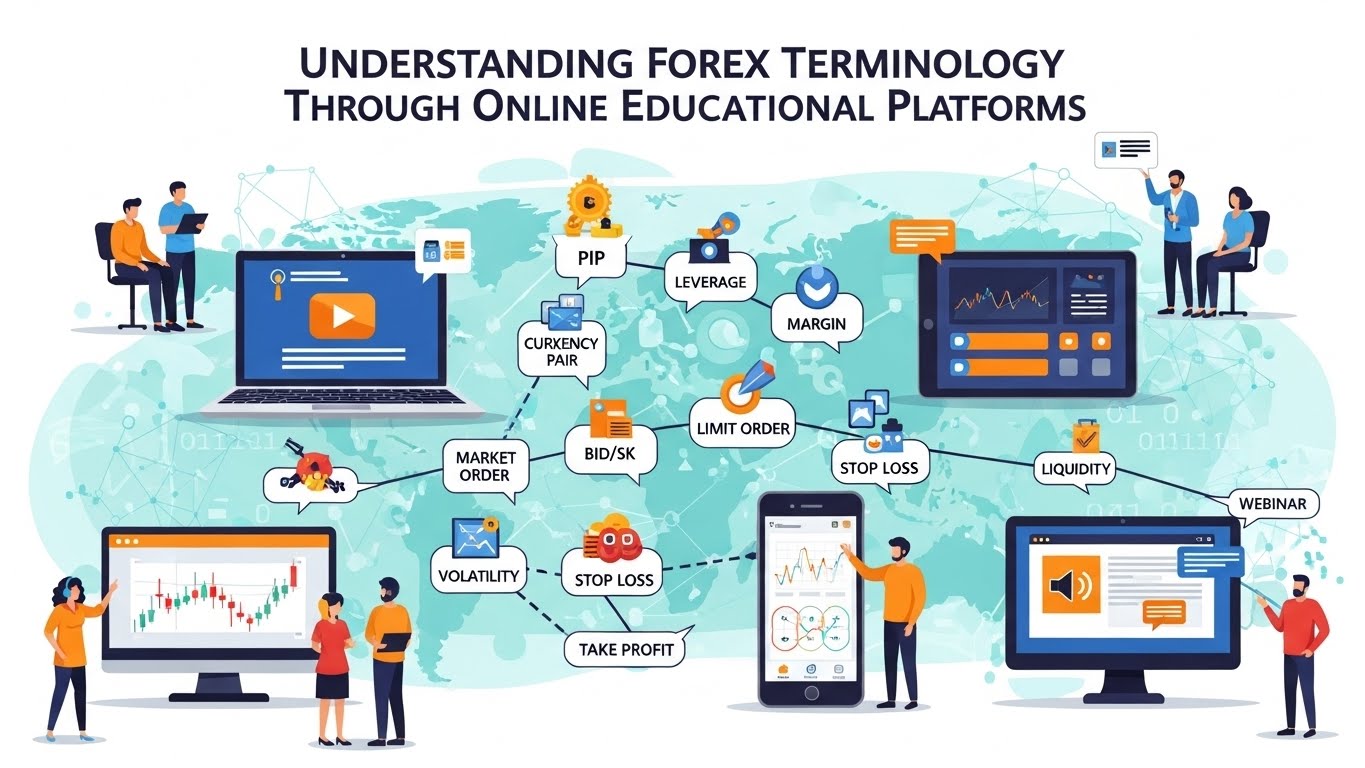
If you’re jumping into the world of Forex trading, you’ll quickly notice just how full it is of specialized vocabulary and confusing acronyms. Words like “pip,” “leverage,” or “spread” pop up all the time, and if you don’t know what they mean, you might feel like you’re reading a different language. The good news: plenty of online educational platforms lay out these Forex terms in straightforward, bite-sized lessons, smoothing the way for beginners and even more experienced traders. I’m going to show you how these platforms help anyone get a solid grip on Forex lingo, minus that overwhelming, textbook vibe.
TL;DR: Understanding Forex Terminology with Online Learning
Getting familiar with Forex jargon like “pip”, “lot size”, “spread”, and “leverage” is crucial for new traders. Online educational platforms break down these terms using simple explanations, examples, and interactive tools. With the right courses and resources, anyone can track down complex Forex terms in a straightforward, actionable way and feel more confident on their trading adventure.
Why Learning Forex Terminology Online Makes Sense
Jumping into Forex can feel intimidating, especially as the trading terms start to blur together. That’s where online educational platforms shine. They offer short, focused lessons that don’t just define terms but show you how they show up in real trades. Instead of slogging through a thick manual, these platforms let you go straight to the info you need, mixing in things like quizzes and live examples to keep it lively instead of dry.
There’s a ton of online courses out there, making it easy to compare and find the one that fits your learning style. If you’re searching for tips on how to find Forex trading courses online, you’ll spot that most include sections or glossaries dedicated to terminology, giving you a handy reference as you go.
Forex Terms Every Beginner Should Know
Forex really comes with its own language. Here are some of the key terms you’ll stumble upon, plus some context on how online courses lay them out:
- Pip: Short for “percentage in point.” It’s the tiniest price movement in most currency pairs. Online lessons usually use live price feeds and charts to show how a pip change can impact your trades.
- Spread: The difference between the buying and selling price. Courses use visual examples to show how spreads can reduce profits, especially during big market swings.
- Leverage: Lets you control a larger position with a smaller chunk of money. Platforms help here by providing simple scenarios or calculators, so you see the risks and rewards.
- Lot: Refers to the typical trading size. Courses usually explain “micro,” “mini,” and “standard” lots while helping you get a feel for how much risk you’re actually taking.
- Margin: The capital needed to open a trade. Videos and infographics spell out how much is set aside in your account for each trade so you don’t get caught off guard.
- StopLoss / TakeProfit: Tools to put a cap on risks or lock in gains. Interactive simulations let you set these up in demo accounts so you can practice safely.
How Online Platforms Break Down Complex Forex Terms
The best educational platforms never just toss out definitions—they break things down with everyday examples, quick exercises, and quizzes to be sure you’ve picked up the meaning. Rather than simply explaining a “lot,” for instance, they might guide you through a virtual trade, showing how position sizing affects your bottom line.
Lots of platforms use video walk-throughs or animations to demonstrate terms in action. This makes a huge difference for anyone who learns visually. Many courses are set up with learning paths that gradually introduce more advanced terminology, ensuring you’re not scrambling to look things up constantly.
Step-by-Step Guide: Mastering Forex Lingo with Online Courses
Getting the hang of trading language is a process. Here’s a no-nonsense way to use online educational resources for maximum effect:
- Pick an Easygoing Platform: Find courses with great reviews and a reliable glossary. If you’re trying to figure out where to find Forex trading courses, many respected choices offer free trials, so you can check which fits you best.
- Focus on Fundamentals First: Zero in on the building blocks like pips and leverage. The best courses use concrete examples, not just wordy explanations.
- Use Interactive Tools: Take advantage of quizzes, calculators, or demo accounts that let you put key ideas into practice, whether that’s spread calculation, figuring out margin, or setting stop loss markers.
- Join Forums or Discussion Groups: Real people give real answers. Swapping insights or asking about tricky terms can speed up your learning.
- Keep Your Own Glossary: Write down new terms and their meanings, especially as they pop up during lessons. This quick reference helps you remember later.
What to Watch Out For When Learning New Forex Terms
Picking up the language from all sorts of sources can get overwhelming, especially when definitions overlap or change from one platform to another. Here are some things to look out for so you don’t trip up:
- Information Overload: It’s easy to get lost in jargon, especially by jumping into advanced courses. Move at your own pace; don’t push to master everything in one sitting.
- Twinned Terms: Words like “bid” versus “ask” or “margin” versus “leverage” get mixed up fast. Check definitions against your platform’s glossary and circle back as needed.
- Different Broker Lingo: Brokers sometimes use their own variations or abbreviations, so double-check how they’re using key trading terms in their dashboards or help guides.
- Assumed Knowledge: Some courses jump past the basics. If that happens, switch to a course that’s more beginner-focused before moving onward.
Fun, Practical Ways to Practice Forex Vocabulary
Memorizing financial terms isn’t most people’s idea of a good time, but mixing things up while you learn helps the words stick. Try these approaches:
- Using demo trading accounts to spot exactly where and how terms come up.
- Flashcards—physical or digital—for any words that keep tripping you up.
- Jumping into end-of-lesson quizzes, which usually feature a lot of terminology.
- Writing out definitions for yourself and comparing them to the explanations in your course.
Lessons Learned the Hard Way
When I kicked things off, I started trading before really knowing what “margin call” or “swap” were about. One confusing week, a trade closed on its own overnight because I hadn’t set a stoploss. Hard lesson learned: always double-check platform glossaries and do a handful of demo trades to spot terms and functions that aren’t clear. Online courses helped guide me back to these basics, step by step, so I could avoid repeating rookie mistakes.
How to Keep Your Forex Vocabulary Growing
Getting solid on the basics is the first step. Keeping sharp means reading market news, keeping an eye out for broker updates, and checking in with new course modules as the trading world evolves. Many platforms refresh their glossaries and videos as conditions change or new trading rules get dropped, so it pays to stay tuned in.
Going through resources like How Online Forex Courses Can Boost Your Trading Confidence can fire you up to stay curious and keep improving your understanding.
The Real-World Impact of Knowing Forex Terms
Picking up on the language is about more than passing quizzes. It directly affects your ability to spot opportunities, steer clear of risky trades, and chat confidently with other traders. When you truly get the difference between bid/ask, spread, and leverage, you’ll make better calls. And whenever you read strategy guides like How To Become A Successful Forex Trader, you can actually use that advice to step up your trading game.
Frequently Asked Questions
Here are some common questions people usually ask when starting out with Forex terms and online courses:
Question: How long does it usually take to understand basic Forex terminology?
Answer: Most people get the hang of the basics in just a few weeks of regular practice and study. Using interactive lessons, quizzes, and plenty of examples from online courses will help speed things up.
Question: Do I need to know all the Forex terms before opening a trading account?
Answer: You don’t have to know every term, but being familiar with the basics gives you an edge. Open a demo account and stay open to learning as you go. Just remember—most online courses let you practice and build knowledge step by step.
Question: What’s the best way to keep up with new Forex terminology?
Answer: Stay active in course chats and follow top Forex training blogs or educational platforms. These usually update their glossaries whenever fresh terms start making the rounds.
Question: Can online Forex courses help me understand risk management tools and how they work?
Answer: Absolutely. Most solid online courses include lessons about risk management—covering stoplosses, takeprofits, and safe use of leverage—and often provide demo exercises for hands-on practice.
Wrapping Up
Building a strong foundation in Forex terms is key to staying confident and making smart choices while trading currencies. Online educational platforms make learning the language a lot simpler by spelling things out in clear, practical ways. No matter which course or resource you go with, staying curious and using lots of hands-on practice helps lock in what you learn and sets you up for a smoother trading ride.

The Investor
Tuesday 23 December 2025
About The Author
I started to look into individual stocks in January 2022. I created this diary initially for myself to track my investing progress, and second, as a place where I can share my ideas publicly, not only on stock investment, but on any venture that I start learning, such as Forex Trading, Blogging, or any other future venture that I might think of trying out.
By repeating things I learn to myself and trying to explain it to others, I help myself better understand what I am learning. Additionally, hoping that others will share their ideas and learn from each other, and lastly as an online business where some links that I share are affiliate links, and if anybody bought anything by clicking tihose links, I will get a commission based on that successful sale, which of course will not affect the price that you are buying the product or service at.
For more detailed information on my affiliate disclosure, please refer to the Full Affiliate Disclosure page.
This blog is also part of my blogging learning project. I’m using a platform to learn this part. If you are interested in it, it is called Wealthy Affiliate.
Furthermore, this site is in no way or form giving any financial or investing advice, nor is it encouraging or discouraging people to buy or sell any financial instrument. This is a personal diary in which I track my own progress and share it for informational, educational, and entertainment purposes.
Hi Investor,
Thank you for sharing your insightful diary entry about the importance of understanding Forex terminology through online educational platforms. Your post highlights a crucial aspect of successful trading that many beginners often overlook.
As you mentioned, the world of Forex trading is filled with specialized vocabulary and confusing acronyms that can make it feel like learning a new language. However, by leveraging the power of online educational platforms, aspiring traders can break down these complex terms into digestible, actionable lessons.
Your post does an excellent job of emphasizing the value of interactive tools, quizzes, and real-world examples in helping traders grasp the meaning and application of terms like “pip,” “spread,” and “leverage.” By engaging with these resources, traders can build a solid foundation of knowledge and feel more confident in their ability to navigate the markets.
I particularly appreciate your advice on finding the right platform, focusing on fundamentals, and joining forums or discussion groups. These tips provide a clear roadmap for anyone looking to expand their understanding of Forex terminology and improve their trading skills.
Your personal anecdote about the importance of understanding terms like “margin call” and “swap” before diving into live trading serves as a powerful reminder of the risks associated with trading without a solid grasp of the basics. It’s a valuable lesson that all traders should take to heart.
I’m curious to hear from other traders in the community about their experiences with online Forex education. What platforms or resources have you found most helpful in demystifying Forex terminology? How has a strong understanding of these terms impacted your trading performance?
Thank you again for sharing your insights and sparking this important discussion. I look forward to hearing others’ thoughts on this topic.
All the Best,
Eric
Thank you Eric for your comment.
Yes, the terminology in any industry is the first thing that one needs to familiarize him/herself with. Without this step, it will be very hard to get into the industry of choice. Much of the terminology comes with time, but think one needs to start understanding some before jumping in.
Because I started very early, the online world didn’t have much resources at the time, therefore, my beginnings were with offline resources such as offline training courses and books, but recently I made a small research and found some that one needs to research further, and I put them together in this article https://theinvestordiary.com/h…
thank you again for your comment.
This is a very clear and beginner-friendly breakdown of why Forex terminology matters and how online platforms make learning it less intimidating. I like how you emphasize practical understanding over memorization, seeing terms like pips, spreads, and leverage used in real trade examples really does make everything click faster. The step by step approach and tips like keeping a personal glossary and using demo accounts are especially helpful for new traders who feel overwhelmed at first. Your personal lesson about margin calls and stop losses adds authenticity and reinforces why fundamentals shouldn’t be skipped. It’s also useful that you mention broker-specific terminology, since that often catches people off guard. Overall, this post does a great job showing that mastering Forex language is not just academic, it directly impacts confidence, risk management, and decision-making in real trading situations.
Hello Andrejs, You are spot on. Learning Forex trading terminology is not something academic. This is very important if someone intends to enter the Forex trading world.
Thank you very much for your comment.
Excellent overview. The article correctly emphasizes that mastering Forex terminology is foundational, and online educational platforms are well-suited to deliver that in structured, practical formats. The use of demo accounts and interactive tools is particularly valuable for reinforcing concepts like leverage, margin, and spread.
For those with experience, which platform offered the most clarity and practical application for beginners, and how long did it take you to feel confident with the core terms?
Hello Monica, thank you very much for your comment.
I wasn’t sure if your question was regarding experienced traders or beginners, as the question mentions one at the beginning and then mentions the other later on. In any case, I don’t think that one person can give such a recommendation, and we, as individuals percieve things in different ways. Therefore, it is better to check if they have course samples to decide for yourself which is course fits your needs.